 financialpost.com
Critical Minerals Supply Chain Disputes Emerge in Canada and the UK
Article Content

- •The UK focuses on import resilience while Canada aims for mining dominance.
- •Increased public funding and security scrutiny raise the risk of disputes.
- •The G7 summit emphasized the need for midstream processing to reduce dependency.
The UK and Canada are revising their critical minerals strategies to address supply chain vulnerabilities and national security concerns. The UK emphasizes import resilience while Canada aims to become a mining and processing leader. This shift has led to increased public funding and security scrutiny, creating potential for disputes over project timelines and regulatory compliance. Both nations face challenges such as permitting delays and community opposition, which can lead to contractual claims. The G7 summit in June 2026 highlighted the importance of midstream processing to reduce dependency on single suppliers, notably China, which dominates lithium refining. The ongoing geopolitical landscape underscores the urgency for allied nations to secure their critical mineral supply chains.
Ask AI about this cluster
Answers cite the sources they use
Timeline
More articles in this cluster (2)
Common questions
What are the main goals of the UK and Canada regarding critical minerals?
What risks are associated with the new critical minerals strategies?
How does the G7 summit influence critical minerals policy?
Continue Reading
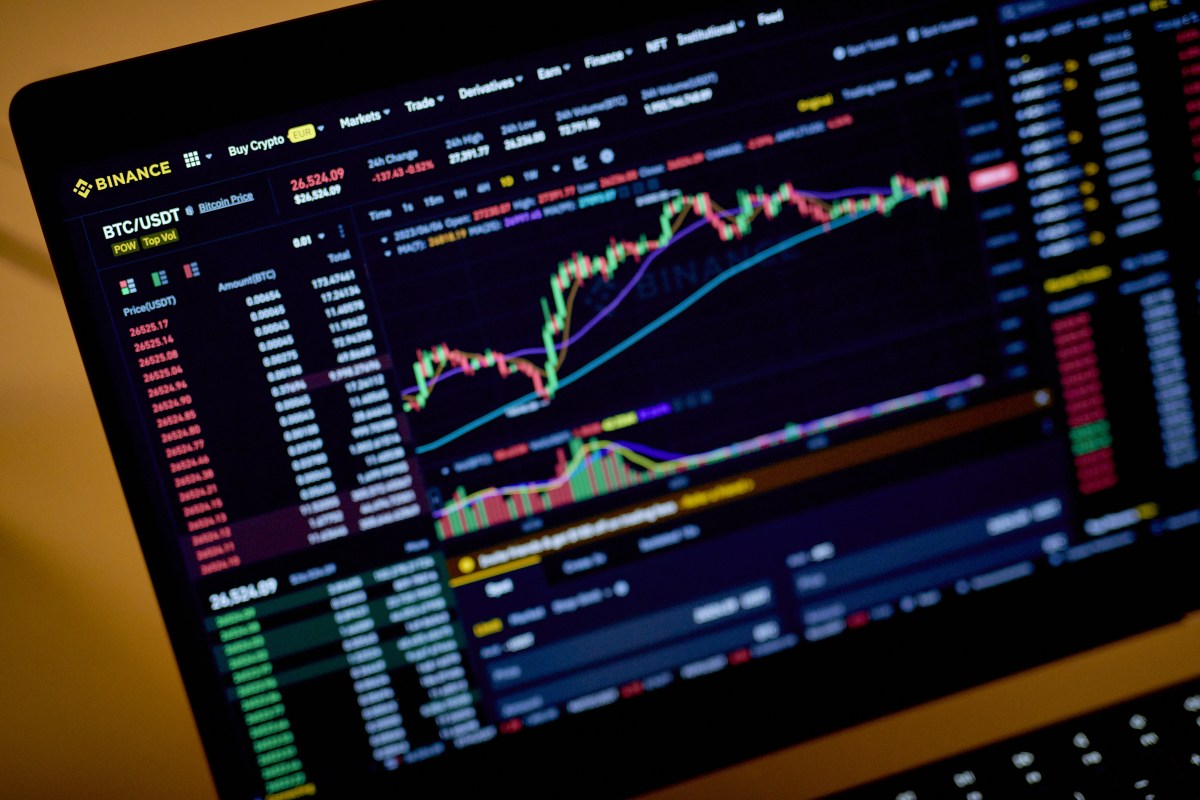 Binance Hack: $6.3 Billion Stolen in Largest Crypto Heist On October 29, 2026, Binance, the world's largest cryptocurrency exchange, reported a major security incident involving an estimated $6.3 billion in stolen funds. The attack was attributed to a compromised laptop belonging to a DevOps engineer, allowing unauthorized withdrawal transactions. Approximately $3 billion in…
 China-Linked Hackers Exploit PHP2Shell Vulnerabilities to Breach U.S. Government Systems On October 21, 2026, the PHP development team released patches for two critical vulnerabilities in PHP, known as PHP2Shell (CVE-2026-109618 and CVE-2026-109619), which allow unauthenticated remote code execution. These vulnerabilities were actively exploited by a suspected China-linked threat actor who compromised 25…