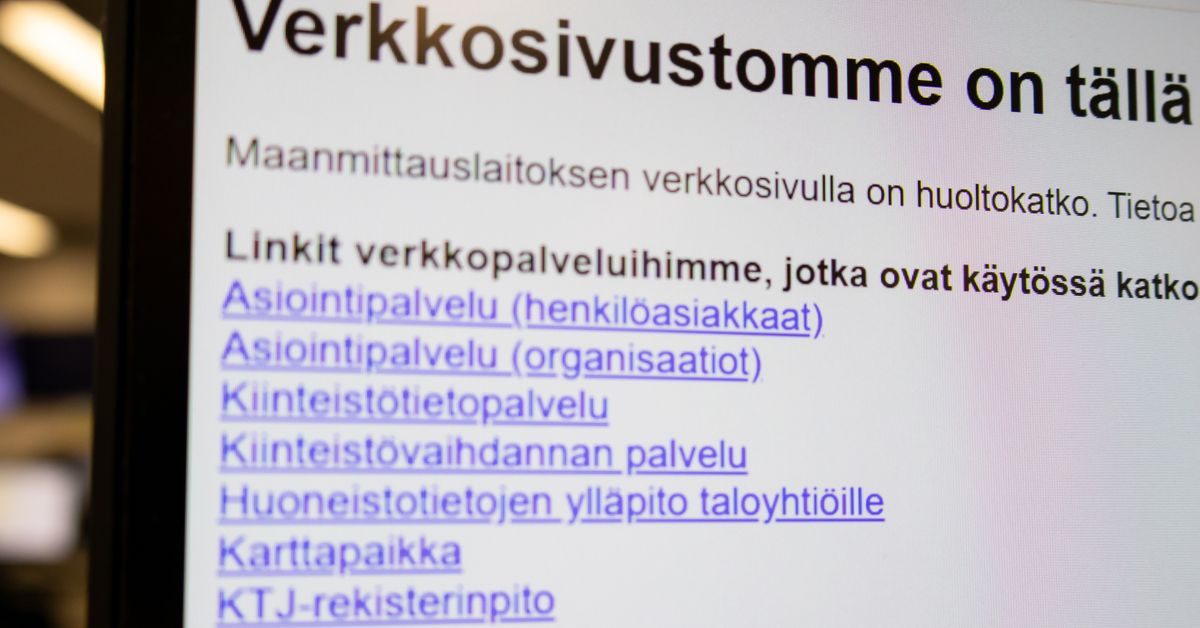
 Yle.Fi
Critical PHP Vulnerabilities Prompt Global Website Shutdowns
Article Content

- •Two critical PHP vulnerabilities were disclosed, affecting 70% of websites.
- •Immediate patches were released, with many sites taken offline as a precaution.
- •No confirmed mass exploitation has occurred, but probing attacks have been observed.
On October 21, 2026, the PHP Foundation disclosed two critical vulnerabilities, CVE-2026-109618 and CVE-2026-109619, which could allow unauthenticated remote code execution on PHP-based websites. Affecting an estimated 70% of the internet, these flaws prompted immediate patch releases and widespread precautionary measures, including the temporary shutdown of numerous government and business websites across Europe and Canada. Cybersecurity agencies, including CISA and the FBI, have urged organizations to update their PHP installations immediately or take their systems offline until the patches are applied. Reports indicate that hackers have begun probing for these vulnerabilities, although no mass exploitation has been confirmed yet. The vulnerabilities were discovered with the assistance of AI tools, highlighting the dual-use nature of AI in cybersecurity. The PHP Foundation has emphasized the urgency of applying the patches to mitigate potential risks.
Ask AI about this cluster
Answers cite the sources they use
Timeline
More articles in this cluster (37)
Following this threat?
Track Cert-eu and CVE-2026-109618 in your own feed — you're alerted when they show up in new reporting, leak sites or exploitation.
Free account · no card needed
Common questions
Which versions of PHP are affected?
Is there evidence of exploitation in the wild?
What should organizations do immediately?
Continue Reading
 Critical PHP Vulnerabilities CVE-2026-109618 and CVE-2026-109619 Disclosed On October 20, 2026, two critical vulnerabilities in PHP, tracked as CVE-2026-109618 and CVE-2026-109619, were disclosed, allowing unauthenticated remote code execution (RCE) on affected systems. The vulnerabilities, collectively known as 'PHP2Shell', stem from improper memory handling during HTTP request processing…