 Jpost
Jpost Cyber Attack Disrupts Iran's Bank Sepah and Bank Melli Services
Article Content

- •A cyber attack disrupted services at Iran's Bank Sepah and Bank Melli on March 11, 2026.
- •The attack is suspected to be state-sponsored, targeting critical banking infrastructure.
- •Current status indicates ongoing efforts to restore services, with no clear timeline for resolution.
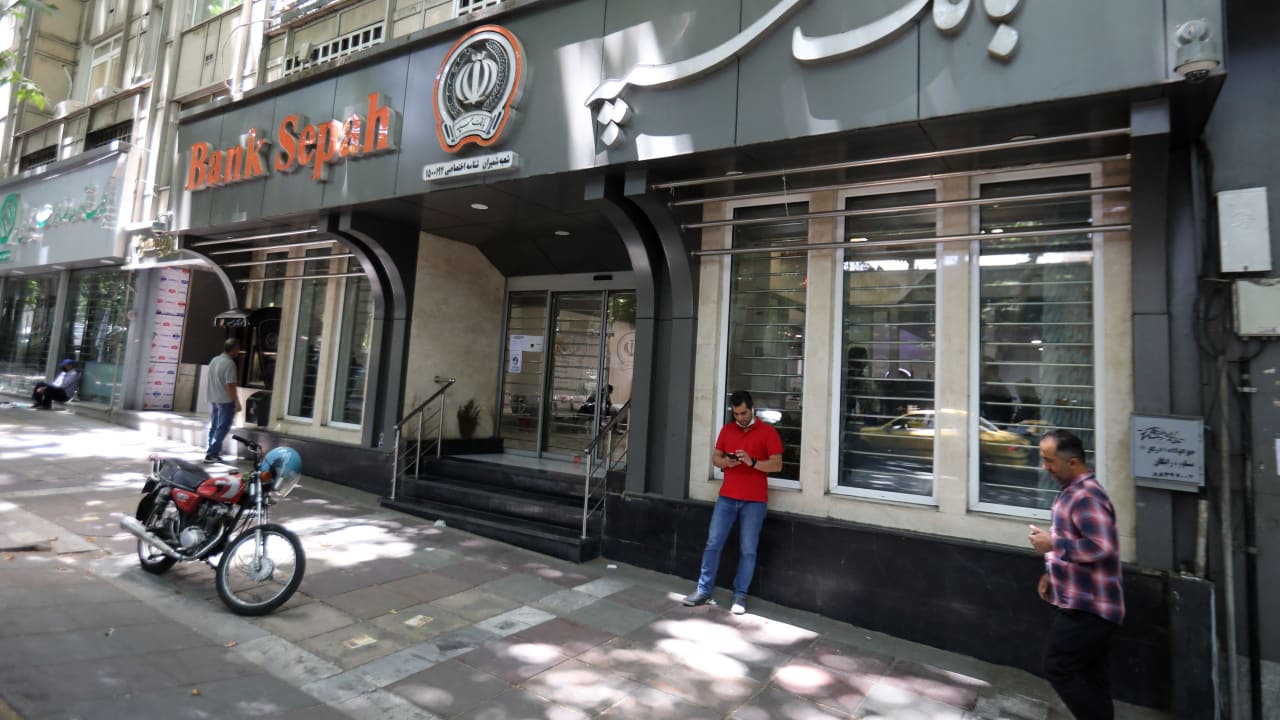
On March 11, 2026, a cyber attack targeted Iran's Bank Sepah and Bank Melli, causing significant service disruptions. The attack appears to be state-sponsored, affecting critical banking infrastructure in Tehran. Specific details about the attack method and tools used have not been disclosed. The scope of the impact includes widespread service outages for customers of both banks. As of now, the banks are working to restore services, but the full extent of the damage remains unclear. No specific numbers of affected users or systems have been reported. The incident highlights ongoing vulnerabilities in Iran's financial sector amidst rising geopolitical tensions. Further investigations are ongoing to determine the source and nature of the attack.
Ask AI about this cluster
Answers cite the sources they use
Timeline
More articles in this cluster (1)
Following this threat?
Track Bank Melli in your own feed — you're alerted when they show up in new reporting, leak sites or exploitation.
Free account · no card needed
Continue Reading
 Critical Zero-Day Exploited in BeyondTrust Remote Support by China-linked Group A critical vulnerability in BeyondTrust Remote Support, tracked as CVE-2026-102764 with a CVSS score of 9.3, has been exploited by the China-linked espionage group Armory Castle since August 29, 2026. This flaw allows unauthenticated remote attackers to perform file operations, gaining root control and access to…
  CISA Warns of Exploited Vulnerabilities in ProFTPD, ONLYOFFICE, Strapi, and More The U.S. Cybersecurity and Infrastructure Security Agency (CISA) added five vulnerabilities to its Known Exploited Vulnerabilities (KEV) catalog, including critical flaws in ProFTPD, ONLYOFFICE Docs, Strapi, Apache Struts, and ISC BIND. These vulnerabilities are being by Chinese actors for cyber espionage, targeting…