 Euronews
 Denmark Proposes Bill to Ban Non-Consensual AI Deepfakes
Article Content

- •Denmark's bill targets non-consensual sharing of AI deepfakes.
- •Exceptions for satire and political criticism are included in the legislation.
- •The bill aims to compel tech companies to remove harmful content quickly.
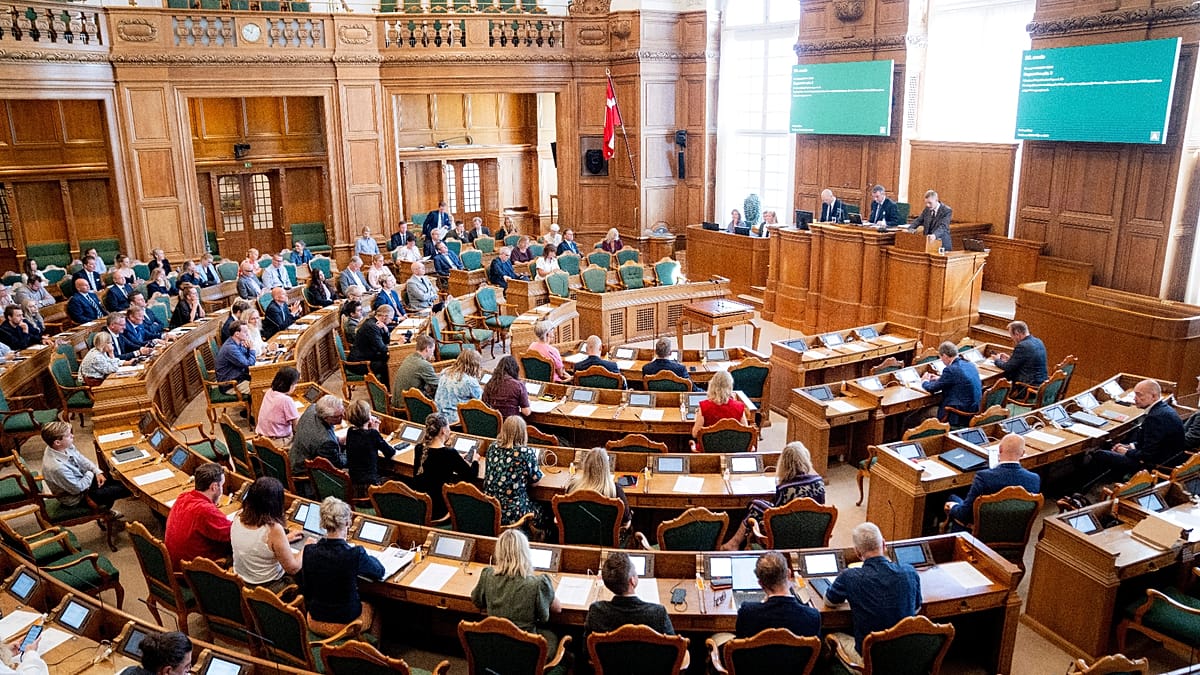
Denmark has introduced a bill aimed at banning the sharing of AI-generated deepfakes without consent, affecting both ordinary citizens and artists. The bill, proposed by Culture Minister Zenia Stampe, seeks to protect individuals from unauthorized digital imitations of their faces and voices, which can spread misinformation and cause harm. It includes exceptions for satire and political criticism, provided they do not constitute serious misinformation. The legislation follows a political agreement from June 2025 and aims to compel tech companies to swiftly remove illegal content. The bill is pending parliamentary approval and is expected to take effect in early 2027. Denmark's initiative aligns with global efforts to address the rise of AI-generated content, although it is not bound by EU regulations on similar matters.
Ask AI about this cluster
Answers cite the sources they use
Timeline
More articles in this cluster (2)
Common questions
What does the bill aim to achieve?
When is the bill expected to take effect?
Are there any exceptions in the bill?
Continue Reading
 Critical Authentication Bypass in Rejetto HFS Exploited Within 24 Hours Anthropic's Mythos model identified a critical authentication bypass in Rejetto HTTP File Server (HFS), tracked as CVE-2026-61500, allowing remote code execution. Discovered by Horizon3 researcher Zach Hanley, the flaw was revealed on September 27, 2026, and exploitation began within 24 hours, with attacks traced to…
  Critical Citrix NetScaler Zero-Day Vulnerabilities Exploited In late September 2026, two critical zero-day vulnerabilities (CVE-2026-88771 and CVE-2026-88772) in Citrix NetScaler ADC and Gateway were actively exploited, allowing remote code execution. The Cybersecurity and Infrastructure Security Agency (CISA) added these CVEs to its Known Exploited Vulnerabilities catalog on…