 Telecomtv
 Deutsche Telekom and Palo Alto Networks Launch Sovereign Cyber Defence Service
Article Content

- •Sovereign Cortex with T Security combines AI cybersecurity with European data sovereignty.
- •Deutsche Telekom retains control over encryption keys, ensuring compliance with EU regulations.
- •The service is aimed at highly regulated sectors, including healthcare and critical infrastructure.
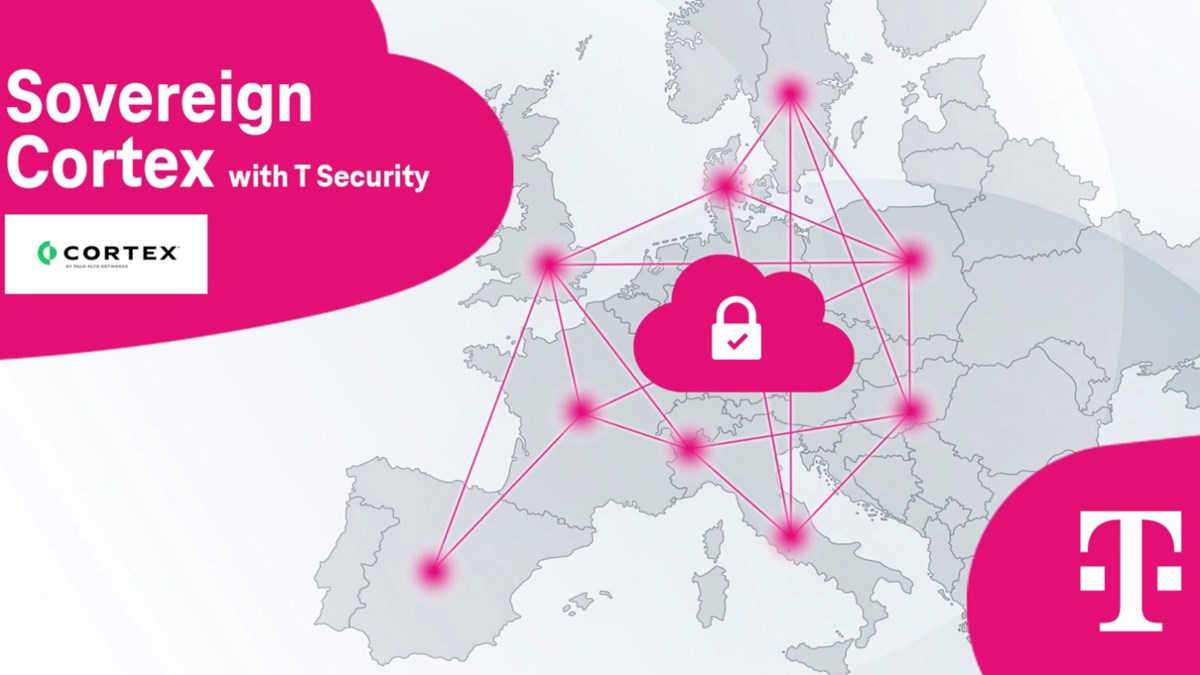
Deutsche Telekom and Palo Alto Networks have launched Sovereign Cortex with T Security, a cybersecurity service tailored for European organizations facing stringent regulatory demands. This service integrates Palo Alto's AI-driven cybersecurity with Deutsche Telekom's data sovereignty architecture, aimed at sectors such as healthcare, public services, and critical infrastructure. The offering ensures that all data is stored and processed within Europe, with Deutsche Telekom retaining control over encryption keys and access permissions. This initiative responds to the increasing threat landscape, where attackers can exfiltrate data in as little as 72 minutes. The service is designed to comply with European regulations like GDPR, NIS-2, and DORA, ensuring verifiable data sovereignty. It is set to be available in the third quarter of 2026, addressing the needs for both security effectiveness and regulatory compliance.
Ask AI about this cluster
Answers cite the sources they use
Timeline
More articles in this cluster (3)
Continue Reading
 Critical Zero-Day Vulnerability in Cisco Secure Email Gateway Exploited On September 14, 2026, Cisco disclosed a critical SQL injection vulnerability (CVE-2026-76461) in its Secure Email Gateway, allowing unauthenticated remote attackers to execute arbitrary commands with root privileges. This vulnerability arises from insufficient validation in the email parsing logic. Cisco confirmed…
  Critical WSO2 API Manager Vulnerability Under Active Exploitation A critical vulnerability (CVE-2026-5430) in WSO2 API Manager is being actively exploited, allowing unauthenticated attackers to forge admin tokens via JWT authentication bypass. This flaw, which has a CVSS score of 10.0, affects multiple WSO2 products including API Manager, Universal Gateway, Traffic Manager, and API…