 Humenglish
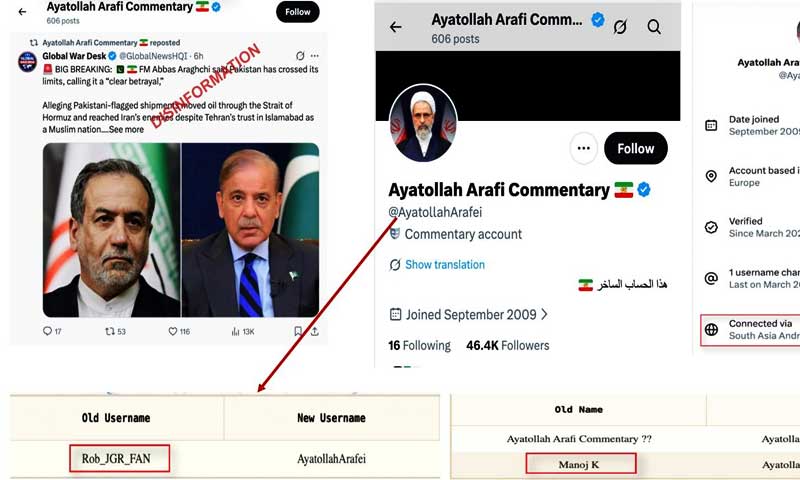
 Disinformation Campaign Accuses Pakistan of Betraying Iran
Article Content

- •Disinformation campaign falsely accuses Pakistan of betraying Iran by transporting oil.
- •The operation involves accounts from India and Afghanistan using fake Iranian identities.
- •The campaign aims to undermine Pakistan's diplomatic efforts and fuel sectarian divisions.
A coordinated disinformation campaign has been uncovered, linking Pakistan to false claims of transporting Iranian oil to the U.S. The operation, traced to accounts in India and Afghanistan, aims to portray Pakistan as betraying Iran, undermining its diplomatic efforts in the region. Analysts identified a structured approach involving 'initiator,' 'proliferator,' and 'amplifier' accounts, with fake Iranian identities spreading the narrative. The campaign intensified sectarian divisions between Sunni-majority Pakistan and Shia-majority Iran, further complicating regional dynamics. No verified evidence supports the claims made in the campaign, which has been widely circulated on social media. The disinformation effort is seen as a strategic threat to Pakistan's credibility and regional stability, particularly amid ongoing tensions with Afghanistan. The exposure of this campaign highlights the need for vigilance against misinformation tactics.
Ask AI about this cluster
Answers cite the sources they use
Timeline
More articles in this cluster (4)
Continue Reading
 Critical Zero-Day Exploited in BeyondTrust Remote Support by China-linked Group A critical vulnerability in BeyondTrust Remote Support, tracked as CVE-2026-102764 with a CVSS score of 9.3, has been exploited by the China-linked espionage group Armory Castle since August 29, 2026. This flaw allows unauthenticated remote attackers to perform file operations, gaining root control and access to…
  CISA Warns of Exploited Vulnerabilities in ProFTPD, ONLYOFFICE, Strapi, and More The U.S. Cybersecurity and Infrastructure Security Agency (CISA) added five vulnerabilities to its Known Exploited Vulnerabilities (KEV) catalog, including critical flaws in ProFTPD, ONLYOFFICE Docs, Strapi, Apache Struts, and ISC BIND. These vulnerabilities are being by Chinese actors for cyber espionage, targeting…