 Kyivpost
 EU Confirms Chinese Training of Russian Soldiers for Ukraine Conflict
Article Content

- •EU intelligence confirms China trained hundreds of Russian soldiers for Ukraine combat.
- •Training took place in late 2025 across multiple Chinese military facilities.
- •The revelation complicates China's claims of neutrality in the Ukraine conflict.
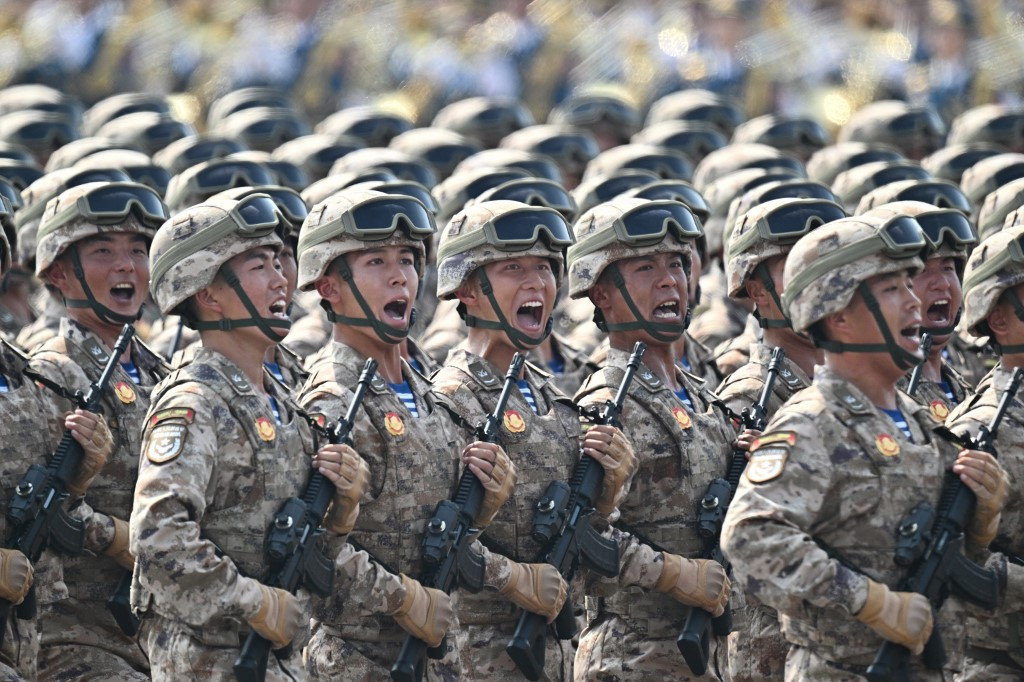
The European Union has confirmed that China provided military training to hundreds of Russian soldiers, who later participated in the war in Ukraine. This training occurred in late 2025 at multiple locations in China, contradicting previous Chinese denials of military involvement. The EU's intelligence services verified the training, which focused on drone operations and electronic warfare. The revelation is expected to escalate tensions between the EU and China, particularly as EU foreign ministers prepare to discuss the implications on June 15. The training involved elite Russian drone units, with some soldiers reportedly deployed directly to combat zones in Ukraine. This development adds complexity to China's position as a neutral party in the conflict, as it has maintained close economic ties with Russia while avoiding sanctions. The EU's upcoming discussions will also address broader security and foreign policy issues, including dependence on Chinese supply chains.
Ask AI about this cluster
Answers cite the sources they use
Timeline
More articles in this cluster (3)
Continue Reading
 Critical WSO2 API Manager Vulnerability Under Active Exploitation A critical vulnerability (CVE-2026-5430) in WSO2 API Manager is being actively exploited, allowing unauthenticated attackers to forge admin tokens via JWT authentication bypass. This flaw, which has a CVSS score of 10.0, affects multiple WSO2 products including API Manager, Universal Gateway, Traffic Manager, and API…
  Critical Linux Kernel Vulnerability CVE-2025-39682 Under Active Exploitation A critical vulnerability (CVE-2025-39682) in the Linux kernel allows remote code execution through mishandling of zero-length TLS records. This flaw affects kTLS-enabled hosts running vulnerable kernel versions, exposing them to attackers without authentication. CISA added this vulnerability to its Known Exploited…