 United24Media
 EU Sanctions Target Russian Drone Industry Amid Ongoing Attacks on Kyiv
Article Content

- •The EU sanctioned five Russian entities and one individual linked to drone production on July 17, 2026.
- •Sanctions target the ABS Electro group, which develops components for drones and ballistic missiles.
- •The measures aim to disrupt the production chain and increase accountability for military production.
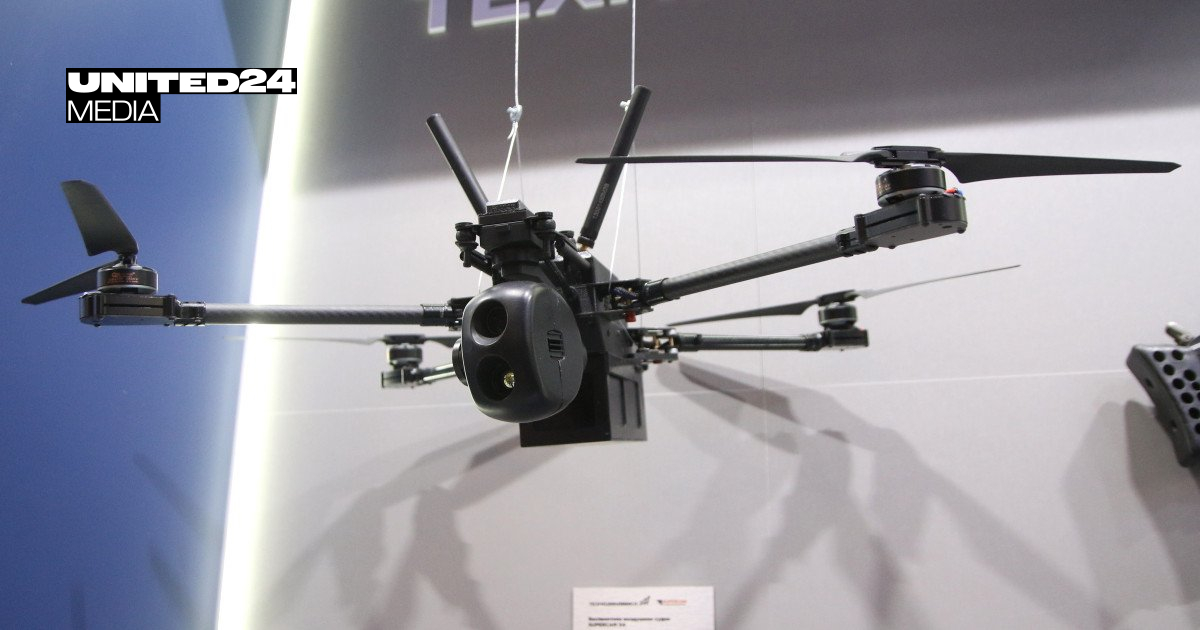
On July 17, 2026, the EU imposed sanctions on five Russian entities and one individual linked to the ABS Electro group, responding to escalating drone and missile attacks on Kyiv that occurred on July 1 and July 5. The sanctions aim to disrupt the production of drone components and ballistic missile modules, specifically targeting the 'Kometa' module used in Shahed and Geran drones. The sanctioned entities enhance the resilience of these drones against electronic warfare, thereby increasing their combat effectiveness. Irina Kharisova, chair of ABS Electro, is also sanctioned, with her assets frozen and a travel ban imposed. The EU's actions align with previous sanctions from Ukraine, emphasizing the need for synchronized international responses to limit Russia's military capabilities. These measures reflect a growing urgency to address threats to civilian infrastructure and reinforce the sanctions coalition against Russia.
Ask AI about this cluster
Answers cite the sources they use
Timeline
More articles in this cluster (4)
Following this threat?
Track ABS Electro in your own feed — you're alerted when they show up in new reporting, leak sites or exploitation.
Free account · no card needed
Continue Reading
 Critical WSO2 API Manager Vulnerability Under Active Exploitation A critical vulnerability (CVE-2026-5430) in WSO2 API Manager is being actively exploited, allowing unauthenticated attackers to forge admin tokens via JWT authentication bypass. This flaw, which has a CVSS score of 10.0, affects multiple WSO2 products including API Manager, Universal Gateway, Traffic Manager, and API…
  Critical Linux Kernel Vulnerability CVE-2025-39682 Under Active Exploitation A critical vulnerability (CVE-2025-39682) in the Linux kernel allows remote code execution through mishandling of zero-length TLS records. This flaw affects kTLS-enabled hosts running vulnerable kernel versions, exposing them to attackers without authentication. CISA added this vulnerability to its Known Exploited…