 News.Az
FBI Disables 13 Websites Linked to Chinese Espionage Targeting U.S. Officials
Ask AI about this cluster
Analyzing cluster data...
Referenced clusters:
Something went wrong. Please try again.
Cluster AI
Ask questions about this threat cluster with AI-powered analysis.
Get Researcher $29.99/moArticle Content
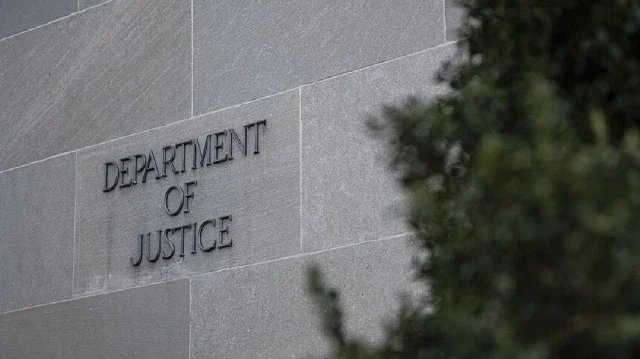
On June 11, 2026, the FBI seized 13 websites suspected of being operated by Chinese intelligence agents to recruit current and former U.S. government employees with security clearances. The domains, posing as legitimate consulting firms, targeted individuals with access to sensitive information, offering vague job roles and financial compensation in exchange for insider knowledge. The operation utilized fictitious identities, AI-generated images, and encrypted communication methods, including cryptocurrency for payments. The Justice Department indicated that this scheme had been ongoing since at least November 2023. Officials warned that such tactics exploit financial incentives to lure individuals into disclosing classified information. The FBI's actions are part of a broader effort to counter foreign espionage threats against U.S. national security.
Key Points: • FBI seized 13 websites linked to a Chinese espionage operation targeting U.S. officials. • The operation used fake consulting roles and AI-generated identities to recruit individuals. • Payments for sensitive information were made via cryptocurrency and encrypted messaging platforms.