 www.cbsnews.com
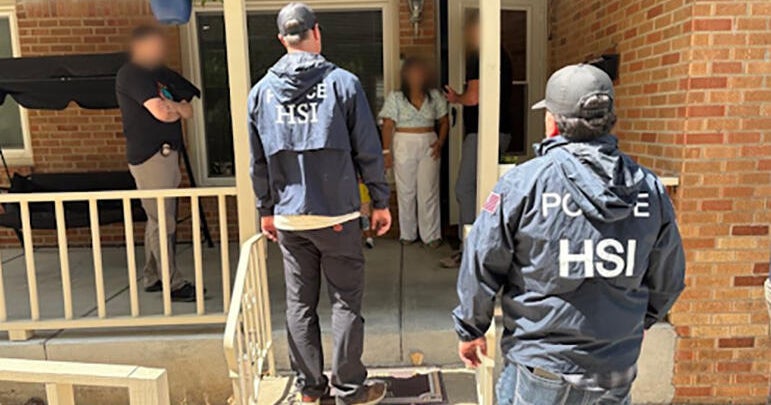
Federal Agents Target Noncitizen Voters Ahead of Midterms
Article Content

- •DHS agents are investigating potential noncitizen voters in several states.
- •Critics claim the operation intimidates lawful voters and undermines election integrity.
- •Legal challenges against the DHS operation are already in progress.
Federal agents from the Department of Homeland Security have been conducting door-to-door inquiries in several states to investigate potential noncitizen voters as part of a controversial operation ahead of the midterm elections. Critics argue that the presence of armed agents could intimidate lawful voters, with legal challenges already underway against this initiative. The Department of Homeland Security claims there could be as many as 250,000 illegally registered voters, a figure disputed by election experts. This operation has raised significant concerns regarding federal overreach into state election processes. The Justice Department has also been involved in lawsuits regarding voter certification and counting, further complicating the electoral landscape. As Election Day approaches, the implications of these actions on voter turnout and election integrity remain to be seen.
Ask AI about this cluster
Answers cite the sources they use
Timeline
More articles in this cluster (5)
Common questions
What is the purpose of the DHS operation?
How many noncitizen voters does DHS claim exist?
What actions are being taken against the DHS operation?
Continue Reading
 Binance Hack: $6.3 Billion Stolen in Largest Crypto Heist On October 29, 2026, Binance, the world's largest cryptocurrency exchange, reported a major security incident involving an estimated $6.3 billion in stolen funds. The attack was attributed to a compromised laptop belonging to a DevOps engineer, allowing unauthorized withdrawal transactions. Approximately $3 billion in…
 China-Linked Hackers Exploit PHP2Shell Vulnerabilities to Breach U.S. Government Systems On October 21, 2026, the PHP development team released patches for two critical vulnerabilities in PHP, known as PHP2Shell (CVE-2026-109618 and CVE-2026-109619), which allow unauthenticated remote code execution. These vulnerabilities were actively exploited by a suspected China-linked threat actor who compromised 25…