 Cryptobriefing
 G7 Leaders Address Taiwan Strait Tensions and Cybersecurity Threats
Article Content

- •G7 leaders oppose military actions in the Taiwan Strait, emphasizing peaceful resolution.
- •North Korea's cryptocurrency thefts were acknowledged, highlighting state-sponsored cyber threats.
- •Taiwan's semiconductor production is critical, with potential military conflict posing market risks.
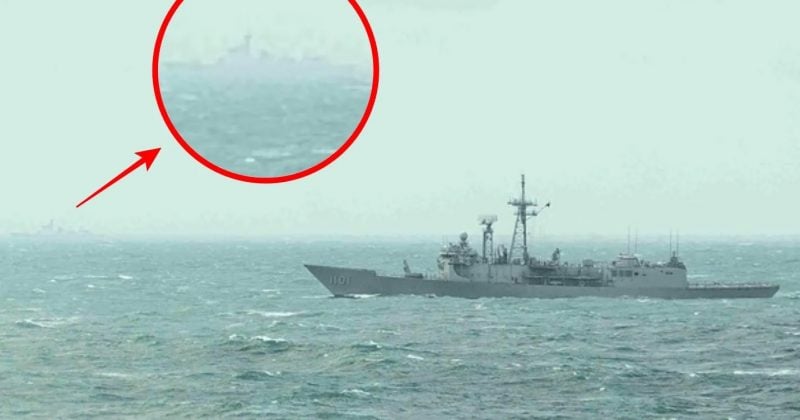
On June 17, 2026, G7 leaders met in Évian, France, reaffirming their opposition to any military actions in the Taiwan Strait, emphasizing the need for peaceful resolution of cross-strait issues. This statement continues a consistent diplomatic stance dating back to 2023. The summit also acknowledged North Korea's involvement in cryptocurrency thefts, highlighting ongoing state-sponsored cyber threats. The potential for military conflict in Taiwan, a key semiconductor producer, poses risks to global markets, particularly in technology. Historical data shows that geopolitical tensions can lead to significant market volatility, as seen with Bitcoin's 8% drop following Russia's invasion of Ukraine in 2022. The G7's focus on cybersecurity threats indicates a growing concern among world leaders regarding state-sponsored cyber activities. Investors are advised to monitor these developments closely as they may influence market stability.
Ask AI about this cluster
Answers cite the sources they use
Timeline
More articles in this cluster (2)
Continue Reading
 Critical WSO2 API Manager Vulnerability Under Active Exploitation A critical vulnerability (CVE-2026-5430) in WSO2 API Manager is being actively exploited, allowing unauthenticated attackers to forge admin tokens via JWT authentication bypass. This flaw, which has a CVSS score of 10.0, affects multiple WSO2 products including API Manager, Universal Gateway, Traffic Manager, and API…
  Critical Linux Kernel Vulnerability CVE-2025-39682 Under Active Exploitation A critical vulnerability (CVE-2025-39682) in the Linux kernel allows remote code execution through mishandling of zero-length TLS records. This flaw affects kTLS-enabled hosts running vulnerable kernel versions, exposing them to attackers without authentication. CISA added this vulnerability to its Known Exploited…