 Webwire
 GMV Unveils Cyber Resilience Model at Andalusia Cybersecurity Congress
Article Content

- •GMV introduced the Comprehensive Cluster Protection Model to enhance sector-based cybersecurity.
- •The model focuses on collaboration among stakeholders to protect critical infrastructure.
- •The initiative aligns with the European NIS2 Directive, expanding cybersecurity obligations.
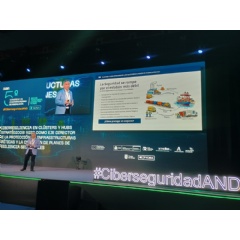
GMV presented its Comprehensive Cluster Protection Model (CCPM) at the 5th Andalusia Cybersecurity Congress in Málaga on May 18, 2026. The model aims to enhance cybersecurity resilience across various sectors by promoting collaboration among companies, suppliers, and public administrations. Ángel García-Madrid Velázquez, GMV's Head of Resilience and Business Continuity Services, emphasized the need to protect critical infrastructure to ensure essential services like energy and water remain uninterrupted. This initiative aligns with the European NIS2 Directive, which expands cybersecurity obligations to new sectors. The CCPM includes the creation of 'cyber districts' to facilitate coordination and compliance with regulatory requirements. GMV's approach is based on over 30 years of experience in cybersecurity and resilience, addressing the challenges posed by increasing interconnectivity among organizations. The model also proposes shared services such as threat intelligence platforms and early warning systems to improve incident response capabilities.
Ask AI about this cluster
Answers cite the sources they use
Timeline
More articles in this cluster (2)
Continue Reading
 Critical WSO2 API Manager Vulnerability Under Active Exploitation A critical vulnerability (CVE-2026-5430) in WSO2 API Manager is being actively exploited, allowing unauthenticated attackers to forge admin tokens via JWT authentication bypass. This flaw, which has a CVSS score of 10.0, affects multiple WSO2 products including API Manager, Universal Gateway, Traffic Manager, and API…
  Critical Linux Kernel Vulnerability CVE-2025-39682 Under Active Exploitation A critical vulnerability (CVE-2025-39682) in the Linux kernel allows remote code execution through mishandling of zero-length TLS records. This flaw affects kTLS-enabled hosts running vulnerable kernel versions, exposing them to attackers without authentication. CISA added this vulnerability to its Known Exploited…