 Feeds2.Feedburner
 Google Chrome Reduces 7 Billion Daily Abusive Notifications on Android
Article Content

- •Chrome cut unwanted notifications by over 7 billion daily in Q1 2026.
- •Notification permissions are revoked for inactive and suspicious websites.
- •Users can manage notification permissions through Chrome's Safety Hub.
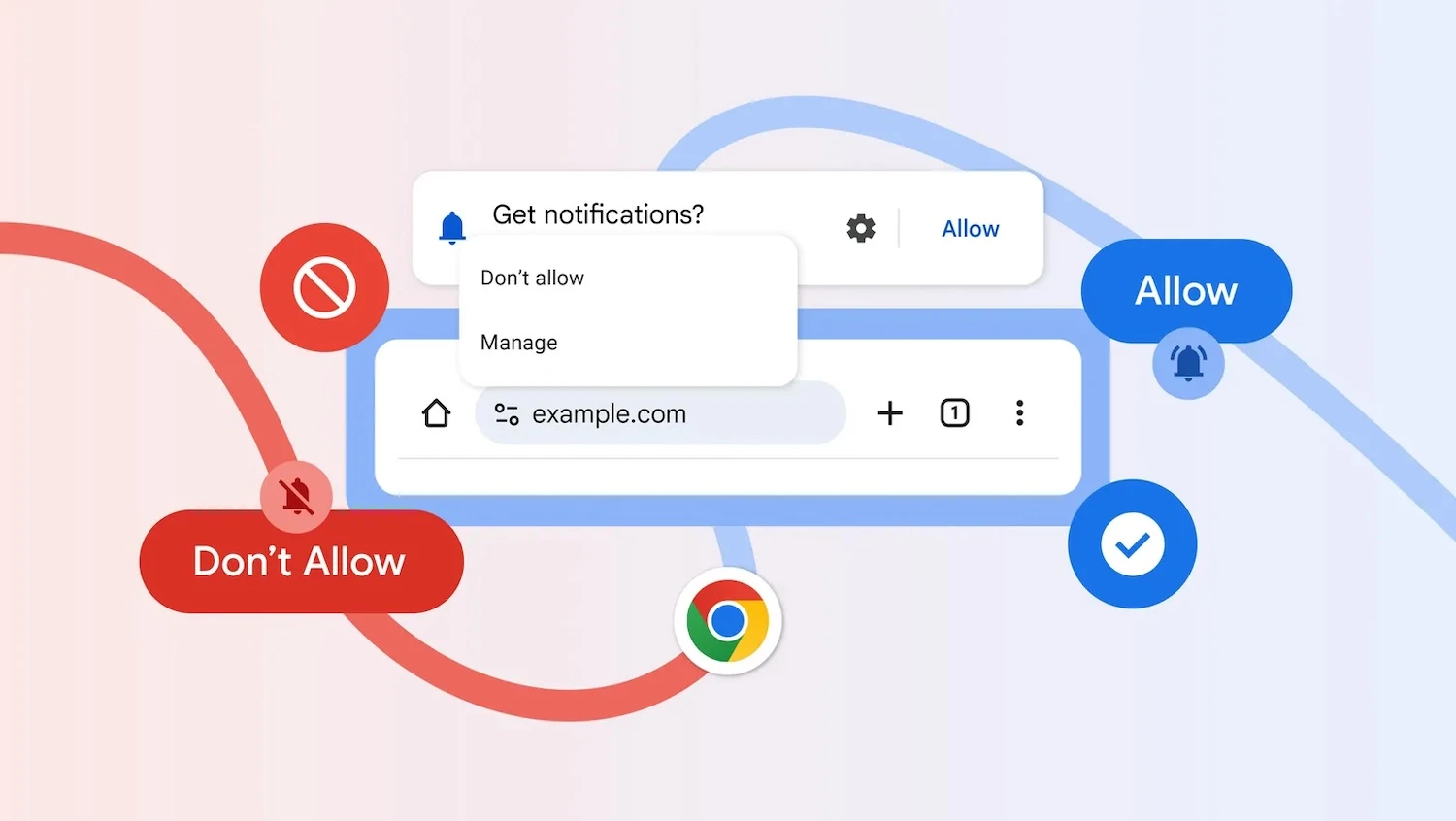
Google has implemented measures in Chrome to combat unwanted notifications on Android, cutting them by over 7 billion daily in Q1 2026. The initiative targets scams, phishing attempts, and fraudulent content distributed through notifications. Chrome's anti-abuse system includes revoking permissions from inactive and suspicious websites, which are identified through Google Safe Browsing. Users can review and restore these permissions via Safety Hub. The new notification permission prompts are designed to be less disruptive, improving user experience while enhancing security. The changes aim to balance utility and security, ensuring users receive only valuable notifications. Google employs a 'Swiss cheese' defense model with overlapping systems to prevent abuse at various stages. The overall impact is a significant reduction in deceptive notifications, enhancing user safety on the platform.
Ask AI about this cluster
Answers cite the sources they use
Timeline
More articles in this cluster (4)
Continue Reading
 CVE-2015-3306 Exploited in ProFTPD FTP Servers CVE-2015-3306, a vulnerability in ProFTPD 1.3.5, allows remote attackers to read and write arbitrary files using the SITE CPFR and SITE CPTO commands. This exploit can lead to unauthorized access and potential remote code execution, as the commands are executed with the privileges of the ProFTPD service. Active…
  CISA Mandates Urgent Patching of Five Critical Flaws Exploited by Flax Typhoon The U.S. Cybersecurity and Infrastructure Security Agency (CISA) has ordered federal agencies to patch five critical vulnerabilities by October 11, 2026, following exploitation by the China-linked hacking group Flax Typhoon. The vulnerabilities, added to CISA's Known Exploited Vulnerabilities (KEV) catalog, include…