 Meritalk
 Growing Concerns Over AI-Generated Deepfakes in Elections
Article Content

- •AI tools are being used by candidates in Pennsylvania for campaign materials, raising concerns.
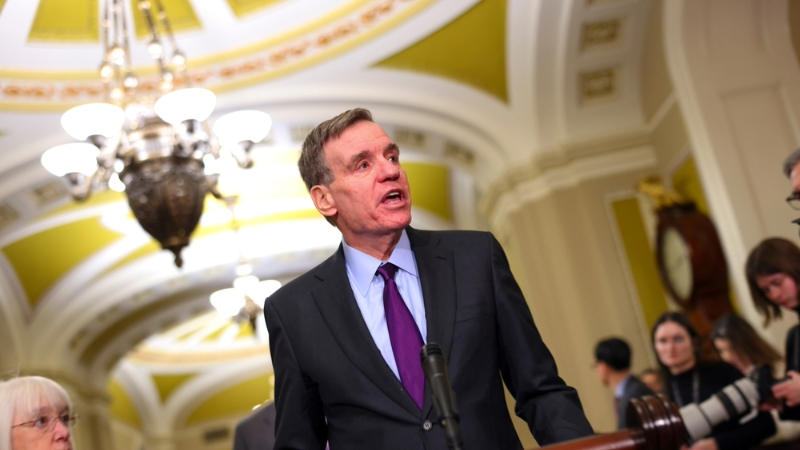
- •Senator Warner is urging tech firms to combat deepfakes ahead of the 2026 elections.
- •No comprehensive U.S. laws currently target AI-generated political deepfakes.
In Pennsylvania, candidates are increasingly using AI tools for campaign materials, raising concerns about potential future misuse, particularly with deepfakes. While current practices do not involve deepfakes, experts warn that generative AI's advancements could lead to misinformation tactics similar to those seen in previous elections. Notably, a 2024 incident involved an AI-generated robocall impersonating President Biden to discourage voting. In response, Senator Mark Warner has urged major tech firms to implement safeguards against manipulated media ahead of the 2026 midterm elections. Warner's recommendations include embedding content credentials and creating rapid-response verification channels. Despite the lack of comprehensive U.S. laws targeting AI-generated political deepfakes, several states have enacted regulations requiring disclosure of AI-generated content. Pennsylvania currently lacks specific restrictions on AI use in elections, although its prevalence is growing. The situation reflects broader concerns about the impact of AI on public trust and democratic processes.
Ask AI about this cluster
Answers cite the sources they use
Timeline
More articles in this cluster (12)
Continue Reading
 CVE-2015-3306 Exploited in ProFTPD FTP Servers CVE-2015-3306, a vulnerability in ProFTPD 1.3.5, allows remote attackers to read and write arbitrary files using the SITE CPFR and SITE CPTO commands. This exploit can lead to unauthorized access and potential remote code execution, as the commands are executed with the privileges of the ProFTPD service. Active…
  CISA Mandates Urgent Patching of Five Critical Flaws Exploited by Flax Typhoon The U.S. Cybersecurity and Infrastructure Security Agency (CISA) has ordered federal agencies to patch five critical vulnerabilities by October 11, 2026, following exploitation by the China-linked hacking group Flax Typhoon. The vulnerabilities, added to CISA's Known Exploited Vulnerabilities (KEV) catalog, include…