 English.Aawsat
Gulf States Urge Russia to Address Iran's Regional Aggression
Article Content

- •Gulf states called on Russia to intervene in Iran's aggressive actions.
- •The meeting emphasized the importance of GCC involvement in Iran's nuclear negotiations.
- •Escalating regional tensions highlight the need for diplomatic solutions.
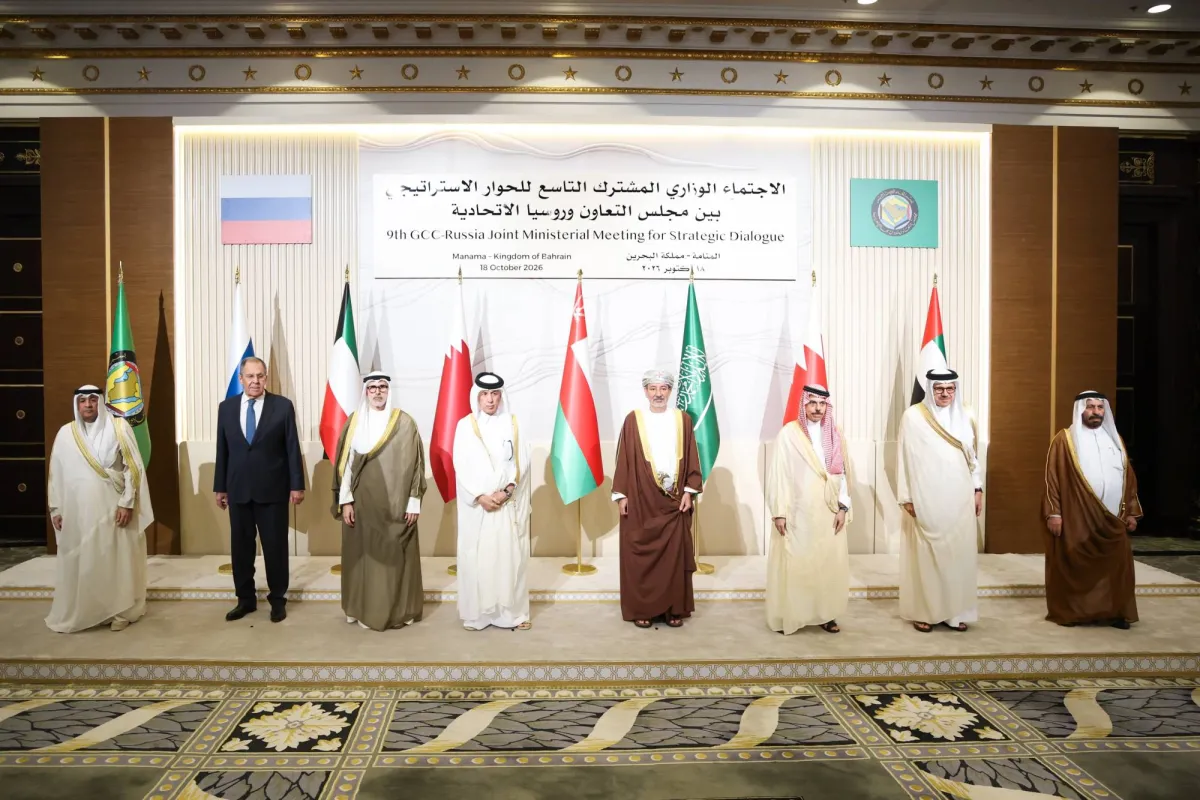
During the 9th Joint Ministerial Meeting of the Gulf Cooperation Council (GCC) and Russia in Manama, Gulf states called on Russia to leverage its relationship with Iran to halt its aggressive actions and comply with UN Security Council Resolution 2817 regarding its nuclear program. Bahraini Foreign Minister Dr. Abdullatif Al Zayani emphasized the importance of regional security and urged Russia to support GCC involvement in negotiations concerning Iran's nuclear activities. Russian Foreign Minister Sergey Lavrov acknowledged the need for de-escalation and highlighted the growing trade relations between Russia and the Gulf states. The meeting took place amid escalating tensions in the region, particularly concerning Iran's military actions and the security of the Strait of Hormuz. The GCC expressed concerns over the Houthi militia's attacks on Saudi Arabia, which have targeted civilian infrastructure. The discussions reflect ongoing geopolitical dynamics and the necessity for diplomatic engagement to prevent further conflict.
Ask AI about this cluster
Answers cite the sources they use
Timeline
More articles in this cluster (2)
Common questions
What is the significance of UN Resolution 2817?
How are Gulf states affected by Iran's actions?
What role does Russia play in this situation?
Continue Reading
 Critical BeyondTrust 9.3 Vulnerability Actively Exploited by Threat Actor A critical vulnerability (CVE-2026-102764) in BeyondTrust Remote Support has been discovered and is actively being exploited by the threat group ARMORY CASTLE, reportedly linked to China. The vulnerability, which has a CVSS score of 9.3, allows unauthenticated attackers to upload files and potentially compromise host…
 Lazarus APT Launches Operation FlashHole Using AI and Post-Quantum Cryptography Kaspersky has identified a cyberespionage campaign, dubbed Operation FlashHole, attributed to the Lazarus APT group, active since July 2025. The campaign has targeted at least three organizations in South Korea's construction, software, and wire-communication sectors. Attack methods include spear-phishing emails…