 Livemint
 India Calls for Dedicated AI Law to Address Emerging Risks
Article Content

- •Pavan Duggal advocates for a dedicated AI law in India to manage emerging risks.
- •Current legal frameworks are deemed inadequate for addressing AI-related concerns.
- •Duggal calls for a National AI Accountability Authority to ensure accountability of AI systems.
Pavan Duggal, a cyber law expert, emphasized the need for a dedicated artificial intelligence law in India during the FICCI CyberComm event. He stated that existing frameworks, such as the Information Technology Act of 2000 and the Digital Personal Data Protection Act of 2023, are insufficient to address AI-related risks. Duggal highlighted that while India has made progress in AI governance, it must develop a customized regulatory approach rather than following global models. He proposed the establishment of a National AI Accountability Authority to ensure legal accountability for AI systems. Additionally, he called for clear rules on data localization to protect Indian data sovereignty. Duggal also noted the absence of a dedicated cybersecurity law in India, criticizing the 2013 national cybersecurity policy as ineffective.
Ask AI about this cluster
Answers cite the sources they use
Timeline
More articles in this cluster (2)
Continue Reading
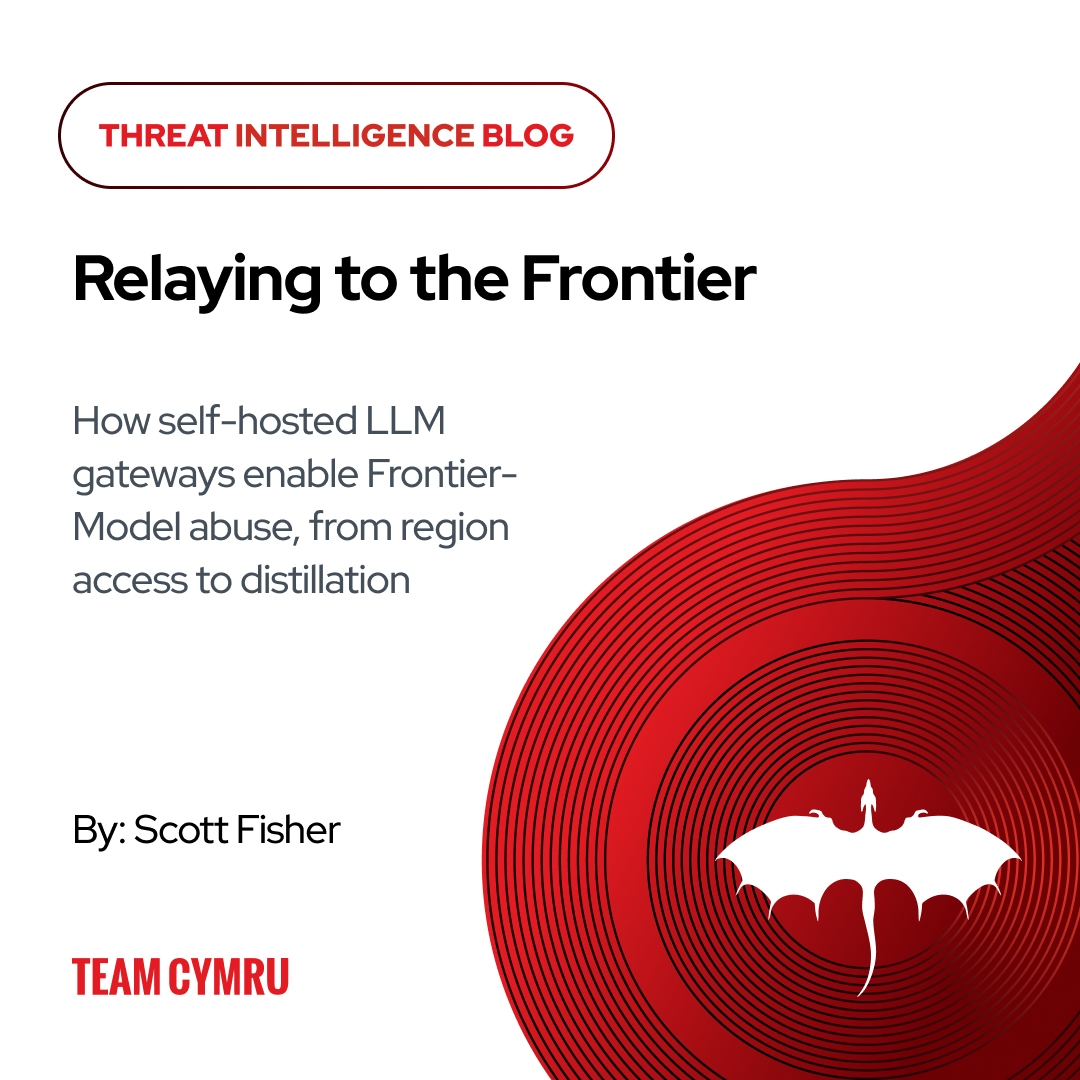 Massive Network of AI Proxy Servers Used for Malicious Activities Uncovered Security researchers from Team Cymru have identified over 10,000 proxy servers in China facilitating malicious AI activities. These servers, termed 'transfer stations,' are primarily used to bypass geographic restrictions and conduct model distillation attacks against frontier AI models. The infrastructure allows…
  Critical RCE Vulnerability in F5 BIG-IP APM Exploited in the Wild A severe heap-based buffer overflow vulnerability, tracked as CVE-2026-94127, has been identified in F5 BIG-IP Access Policy Manager (APM), allowing unauthenticated remote code execution (RCE) on the Traffic Management Microkernel (TMM) data plane. This vulnerability is triggered when both an APM access policy and an…