 Gadgetreview
 Infected USB Drives Caused Major Air Force Malware Breach
Article Content

- •Air Force personnel used personal USB drives, creating a security vulnerability.
- •The Agent.BTZ worm was introduced to sensitive networks, attributed to Russian groups.
- •The Department of Defense spent 14 months to remediate the malware threat.
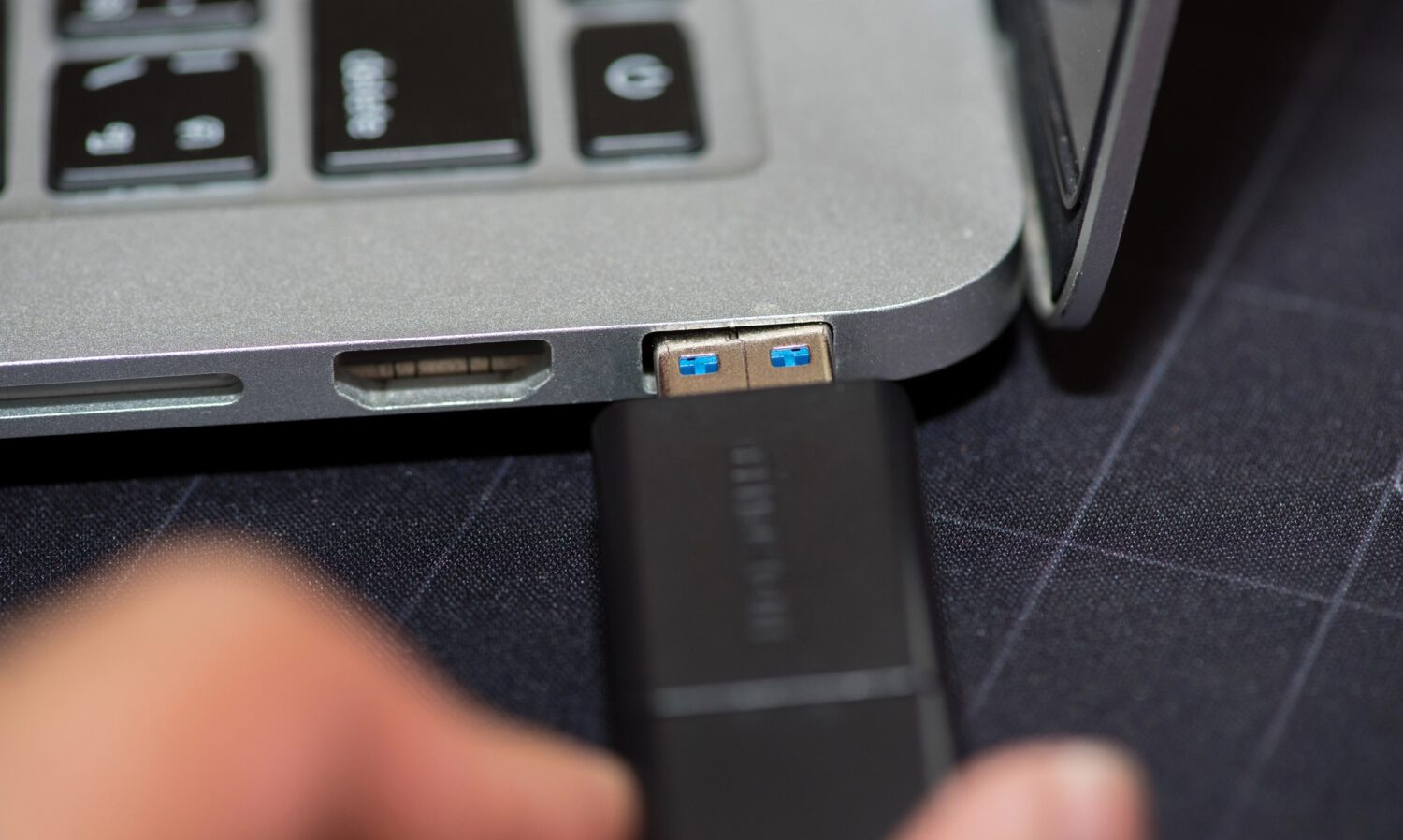
In the early 2000s, U.S. Air Force personnel used personal USB drives purchased locally in Afghanistan to transfer sensitive mission data between unclassified and classified systems. This practice led to a significant malware breach in 2008 when an infected USB drive compromised a laptop connected to U.S. Central Command, introducing the Agent.BTZ worm. The malware was capable of exfiltrating data and communicating with remote servers, and it was reportedly linked to Russian groups. The Department of Defense undertook a 14-month remediation effort to eradicate the threat, which included a temporary ban on USB drives. The incident highlights ongoing vulnerabilities related to supply-chain risks and personnel security awareness within military operations.
Ask AI about this cluster
Answers cite the sources they use
Timeline
More articles in this cluster (4)
Following this threat?
Track Agent.btz in your own feed — you're alerted when they show up in new reporting, leak sites or exploitation.
Free account · no card needed
Common questions
What was the impact of the breach?
Who was responsible for the malware?
What measures were taken post-breach?
Continue Reading
 Critical Zero-Day Exploited in BeyondTrust Remote Support by China-linked Group A critical vulnerability in BeyondTrust Remote Support, tracked as CVE-2026-102764 with a CVSS score of 9.3, has been exploited by the China-linked espionage group Armory Castle since August 29, 2026. This flaw allows unauthenticated remote attackers to perform file operations, gaining root control and access to…
  CISA Warns of Exploited Vulnerabilities in ProFTPD, ONLYOFFICE, Strapi, and More The U.S. Cybersecurity and Infrastructure Security Agency (CISA) added five vulnerabilities to its Known Exploited Vulnerabilities (KEV) catalog, including critical flaws in ProFTPD, ONLYOFFICE Docs, Strapi, Apache Struts, and ISC BIND. These vulnerabilities are being by Chinese actors for cyber espionage, targeting…