 Gulfnews
Iran Accelerates Drone Production, Threatens US Allies Amid Ongoing Conflict
Article Content

- •Iran has restarted drone production, indicating a rapid recovery of military capabilities.
- •US intelligence suggests Iran's military-industrial base is rebuilding faster than expected.
- •Drones pose a significant threat to US allies and regional stability due to their decentralized manufacturing.
Iran has resumed drone production during a six-week ceasefire that began in early April 2026, indicating a rapid recovery of its military capabilities following US-Israeli strikes. US intelligence assessments reveal that Iran's military-industrial base is rebuilding faster than anticipated, particularly in unmanned aerial vehicles (UAVs). Despite the damage from previous military operations, Iran retains significant drone and missile capabilities, posing a threat to regional allies, including the US and Gulf states. The production of drones, which are easier to manufacture and deploy than ballistic missiles, allows Iran to sustain its military operations and support proxy groups across the Middle East. Recent attacks have demonstrated the effectiveness of these drones against military and energy targets, raising alarms among US officials about the potential for future hostilities. The ongoing support from nations like Russia and China has further facilitated Iran's military recovery.
Ask AI about this cluster
Answers cite the sources they use
Timeline
More articles in this cluster (3)
Continue Reading
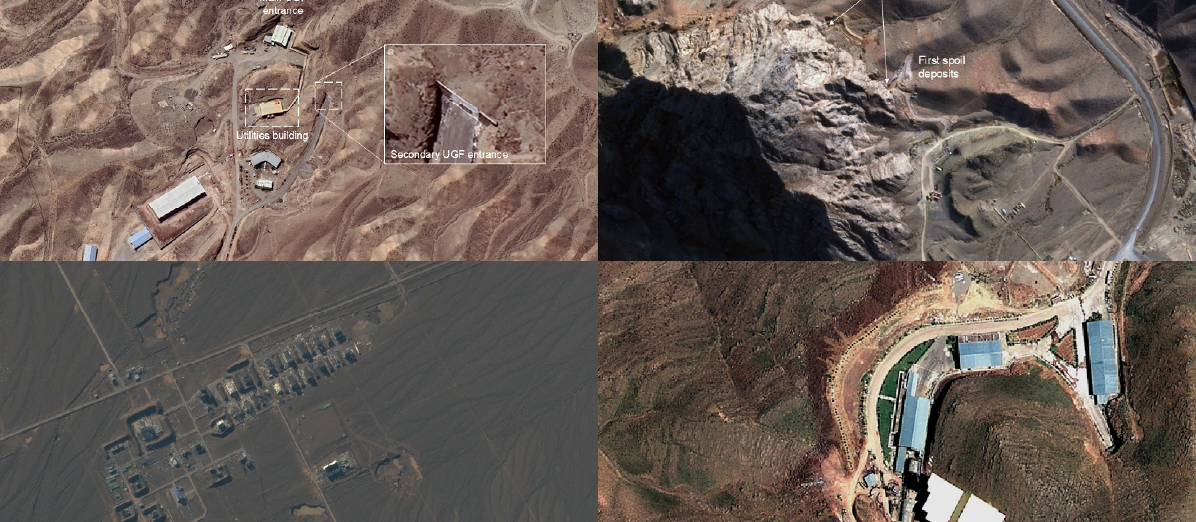 Iran Enhances Missile Production and Nuclear Site Defenses Amid Military Escalation Iran has reportedly resumed ballistic missile assembly in underground facilities, particularly at Khojir, following a Wall Street Journal report. This activity coincides with the construction of earthen mounds around key nuclear sites like Natanz to deter potential US or Israeli ground attacks. Recent military…
 Iranian Attacks Disrupt Aluminium Supply Chain Amid Rising Prices Iranian missile attacks on Gulf smelters and the blockade of the Strait of Hormuz have resulted in a loss of nearly 3 million metric tons of aluminium production capacity. Despite this disruption, aluminium prices remain stable, trading above $3,000 per ton. The International Aluminium Institute reported that Gulf…