 www.bloomberg.com
 Iran and Oman Discuss Permanent Toll System for Strait of Hormuz
Article Content
Browse articles 
- •Iran and Oman are negotiating a permanent toll system for the Strait of Hormuz.
- •The initiative aims to formalize Iran's control over maritime traffic in this critical area.
- •The discussions highlight the geopolitical significance of the Strait of Hormuz for global oil transportation.
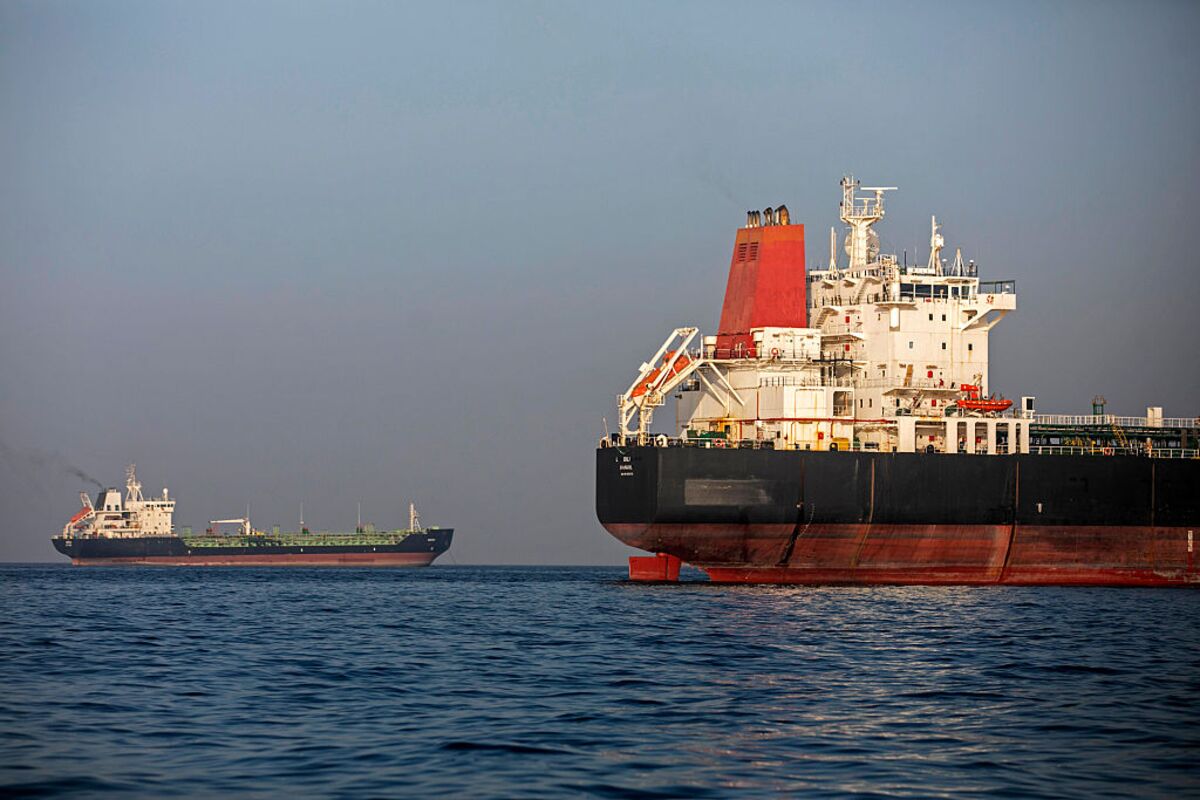
Iran is in negotiations with Oman to establish a permanent toll system to regulate maritime traffic through the Strait of Hormuz. This initiative aims to formalize Iran's control over this critical waterway, which is vital for global oil transportation. The Iranian ambassador to France, Mohammad Amin-Nejad, emphasized the need for both nations to mobilize resources for security and management. The toll system could impact international shipping routes and raise concerns among global stakeholders reliant on this maritime passage. The discussions are ongoing, with no finalized agreements reported as of now.
Ask AI about this cluster
Answers cite the sources they use
Updated 121d ago How this analysis works
Timeline
2026-05-21
Iran and Oman begin toll system negotiations
Iran and Oman are discussing a permanent toll system to regulate maritime traffic through the Strait of Hormuz, emphasizing security and management needs.
Bloomberg2026-05-22
Iran ambassador comments on negotiations
Iran's ambassador to France stated the necessity for both nations to mobilize resources for security services during an interview in Paris.
BloombergMore articles in this cluster (2)
Continue Reading
 Critical WSO2 API Manager Vulnerability Under Active Exploitation A critical vulnerability (CVE-2026-5430) in WSO2 API Manager is being actively exploited, allowing unauthenticated attackers to forge admin tokens via JWT authentication bypass. This flaw, which has a CVSS score of 10.0, affects multiple WSO2 products including API Manager, Universal Gateway, Traffic Manager, and API…
  Critical Linux Kernel Vulnerability CVE-2025-39682 Under Active Exploitation A critical vulnerability (CVE-2025-39682) in the Linux kernel allows remote code execution through mishandling of zero-length TLS records. This flaw affects kTLS-enabled hosts running vulnerable kernel versions, exposing them to attackers without authentication. CISA added this vulnerability to its Known Exploited…