 Al-Monitor
 Iran Calls for Regional Security Mechanism Amid U.S. Military Presence Concerns
Article Content

- •Iran's Foreign Minister calls for a regional security framework free from U.S. influence.
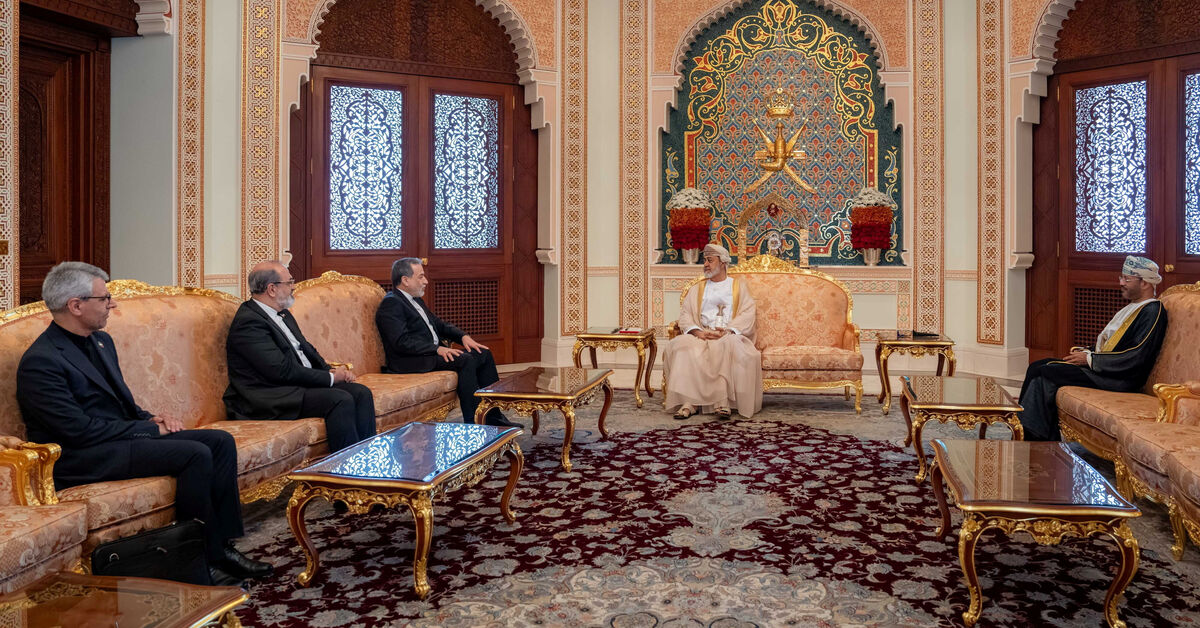
- •Discussions took place in Oman with Sultan Haitham amid ongoing Iran-U.S. tensions.
- •The U.S. military presence is cited as a source of instability in the Middle East.
On April 26, 2026, Iranian Foreign Minister Abbas Araqchi met with Oman's Sultan Haitham bin Tariq al-Said in Muscat to discuss security in the Strait of Hormuz and the ongoing Iran-U.S. conflict. Araqchi emphasized the need for a collective security mechanism among regional countries that is free from U.S. interference. He argued that the U.S. military presence in the Middle East exacerbates instability and division. The discussions highlight Iran's push for a regional security framework amidst heightened tensions in the Gulf. The meeting reflects ongoing diplomatic efforts to stabilize the region and reduce foreign military influence. No specific cyber threats or attacks were mentioned in the articles, focusing instead on diplomatic and geopolitical issues.
Ask AI about this cluster
Answers cite the sources they use
Timeline
More articles in this cluster (2)
Continue Reading
 CVE-2015-3306 Exploited in ProFTPD FTP Servers CVE-2015-3306, a vulnerability in ProFTPD 1.3.5, allows remote attackers to read and write arbitrary files using the SITE CPFR and SITE CPTO commands. This exploit can lead to unauthorized access and potential remote code execution, as the commands are executed with the privileges of the ProFTPD service. Active…
  CISA Mandates Urgent Patching of Five Critical Flaws Exploited by Flax Typhoon The U.S. Cybersecurity and Infrastructure Security Agency (CISA) has ordered federal agencies to patch five critical vulnerabilities by October 11, 2026, following exploitation by the China-linked hacking group Flax Typhoon. The vulnerabilities, added to CISA's Known Exploited Vulnerabilities (KEV) catalog, include…