 English.Cw.Tw
 Iran Conflict Disrupts Taiwan's Energy and Chip Supply Chains
Article Content

- •Taiwan relies on the Strait of Hormuz for 37% of its power, making it vulnerable to disruptions.
- •Taiwan has only 11 days of LNG reserves, risking an energy crisis if the Iran conflict escalates.
- •The closure of Hormuz restricts helium supply, essential for semiconductor manufacturing.
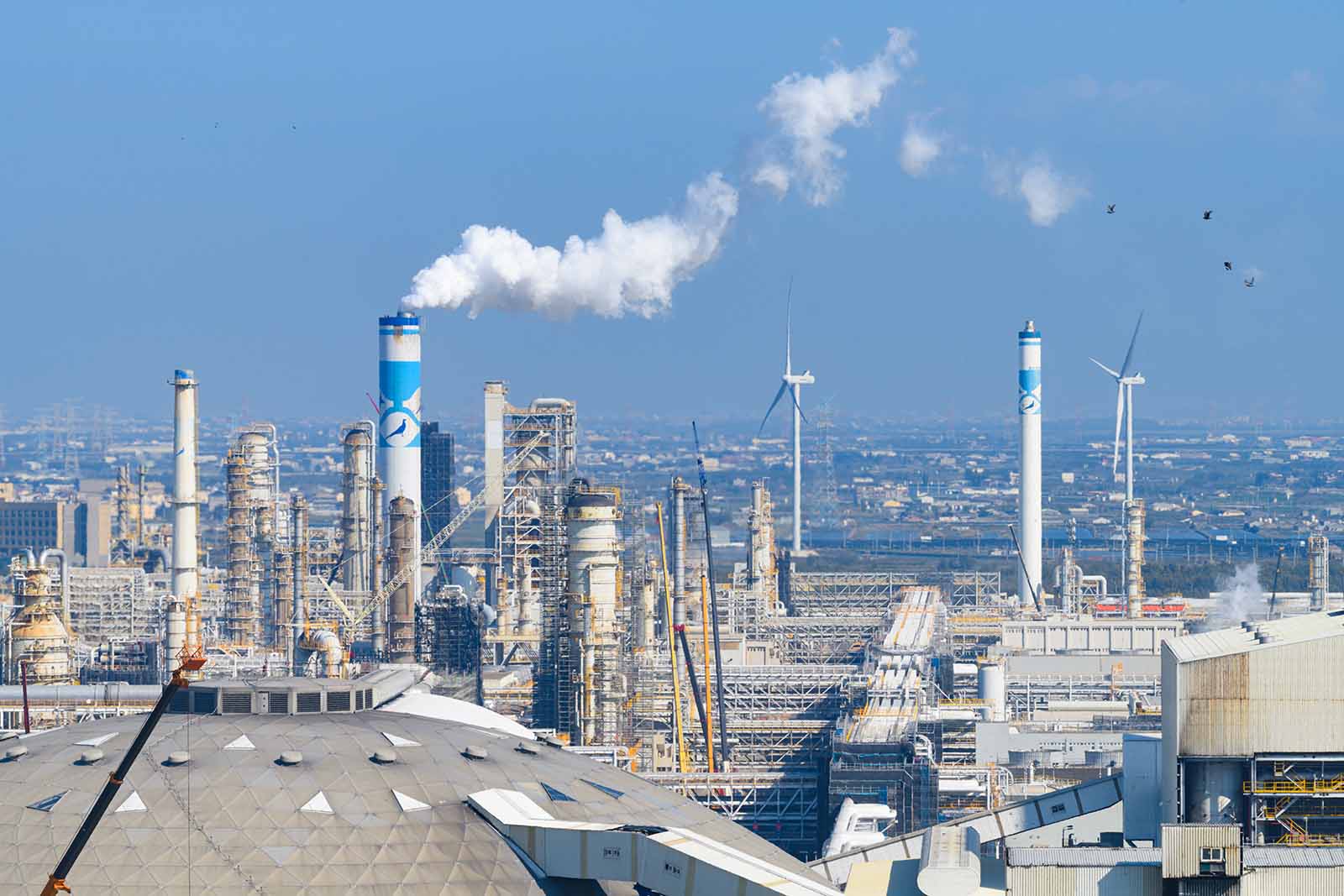
The ongoing Iran conflict has led to the closure of the Strait of Hormuz, a vital shipping route for natural gas and oil, significantly impacting Taiwan's energy security and semiconductor manufacturing. Taiwan imports 97% of its power, with 37% sourced from the Middle East, making it highly vulnerable to supply disruptions. Currently, Taiwan has only 11 days of liquefied natural gas (LNG) reserves, which could lead to an energy crisis if the conflict escalates. The closure has also restricted access to Qatar's helium, crucial for semiconductor production, potentially affecting Taiwan Semiconductor Manufacturing Company (TSMC) and its global clients. The situation has prompted Taiwan to seek alternative energy sources and adjust its procurement strategies to mitigate risks. While the island's LNG supply is secure through April, long-term implications could force TSMC to prioritize higher-margin products, impacting consumer electronics prices. The geopolitical tensions highlight the fragility of global supply chains, particularly in the tech sector.
Ask AI about this cluster
Answers cite the sources they use
Timeline
More articles in this cluster (4)
Continue Reading
 CVE-2015-3306 Exploited in ProFTPD FTP Servers CVE-2015-3306, a vulnerability in ProFTPD 1.3.5, allows remote attackers to read and write arbitrary files using the SITE CPFR and SITE CPTO commands. This exploit can lead to unauthorized access and potential remote code execution, as the commands are executed with the privileges of the ProFTPD service. Active…
  CISA Mandates Urgent Patching of Five Critical Flaws Exploited by Flax Typhoon The U.S. Cybersecurity and Infrastructure Security Agency (CISA) has ordered federal agencies to patch five critical vulnerabilities by October 11, 2026, following exploitation by the China-linked hacking group Flax Typhoon. The vulnerabilities, added to CISA's Known Exploited Vulnerabilities (KEV) catalog, include…