 Fdd
Fdd Iranian-Backed Militias in Iraq Shift Stance on Arms Control
Article Content

- •Two Iranian-backed militias agreed to hand over arms to the Iraqi state.
- •Saraya Awliya al-Dam demands conditions for disarmament, including sovereignty guarantees.
- •The U.S. has exerted pressure on Iraqi militias to centralize weapon control.
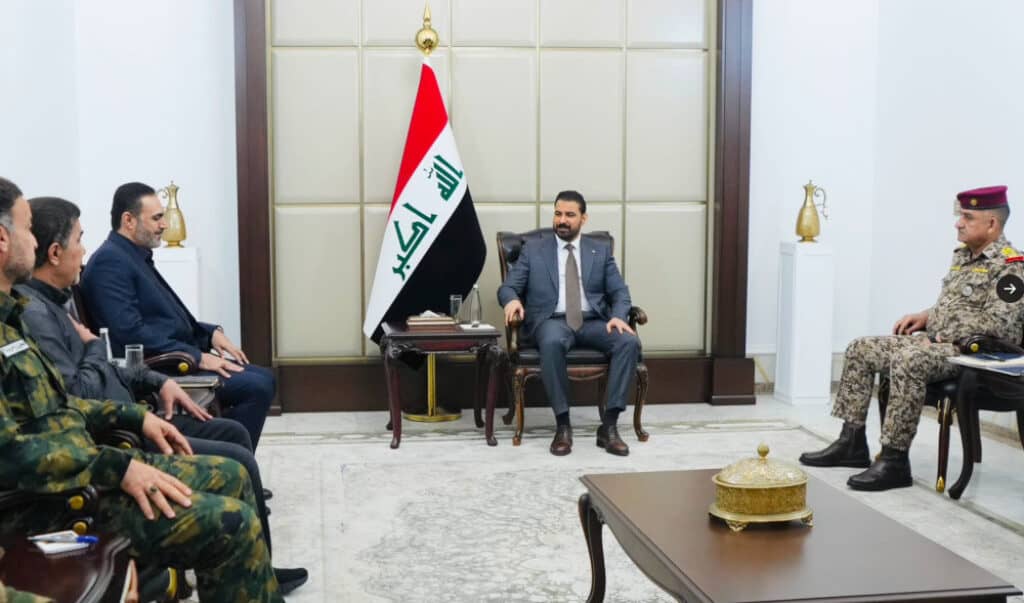
On June 3, Iraqi Prime Minister Ali al-Zaidi met with Asaib Ahl al Haq and Kataib Imam Ali, two Iranian-backed militias, who agreed to place their arms under state control. This decision follows a broader initiative to centralize weapon control in Iraq, which has seen mixed reactions from other militias. Saraya Awliya al-Dam, another pro-Iran group, has set conditions for disarmament, demanding guarantees for Iraqi sovereignty and an end to foreign military presence. The Iraqi government aims to strengthen its armed forces by integrating these militias into state structures. The situation remains fluid, with some factions rejecting disarmament while others comply. The U.S. has reportedly influenced these developments, emphasizing the need for order in Iraq.
Ask AI about this cluster
Answers cite the sources they use
Timeline
More articles in this cluster (4)
Continue Reading
 Critical WSO2 API Manager Vulnerability Under Active Exploitation A critical vulnerability (CVE-2026-5430) in WSO2 API Manager is being actively exploited, allowing unauthenticated attackers to forge admin tokens via JWT authentication bypass. This flaw, which has a CVSS score of 10.0, affects multiple WSO2 products including API Manager, Universal Gateway, Traffic Manager, and API…
  Critical Linux Kernel Vulnerability CVE-2025-39682 Under Active Exploitation A critical vulnerability (CVE-2025-39682) in the Linux kernel allows remote code execution through mishandling of zero-length TLS records. This flaw affects kTLS-enabled hosts running vulnerable kernel versions, exposing them to attackers without authentication. CISA added this vulnerability to its Known Exploited…