 www.cbsnews.com
 Lawmakers Push Ban on Flock Cameras Amid Privacy Concerns
Article Content

- •The Ban Flock Act aims to prohibit federal use of ALPRs and block funding for state/local use.
- •Law enforcement misuse of Flock cameras has led to multiple investigations and charges.
- •Legislation is a response to growing concerns over privacy and civil liberties violations.
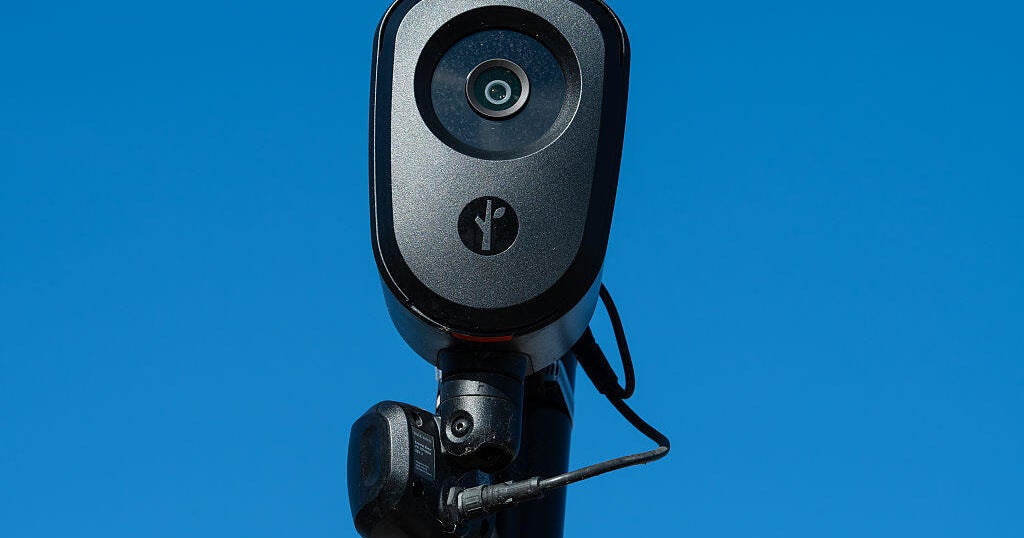
On October 5, 2026, a group of federal lawmakers introduced the Ban Flock Act, aimed at prohibiting federal agencies from using automatic license plate readers (ALPRs) and blocking federal funding to state and local governments that utilize these cameras. The legislation, led by Senators Bernie Sanders and Jeff Merkley, and Representative Alexandria Ocasio-Cortez, responds to widespread abuses of Flock's technology, including its use in tracking individuals without consent and sharing data with federal immigration officials. Recent incidents involving law enforcement officers misusing Flock cameras for personal surveillance have intensified scrutiny on the technology. In Wisconsin, a detective was charged for unauthorized searches using Flock, while a Massachusetts officer faces allegations of stalking an ex-partner using the same system. The introduction of the Ban Flock Act follows public backlash against the invasive nature of surveillance technologies and aims to protect civil liberties.
Ask AI about this cluster
Answers cite the sources they use
Timeline
More articles in this cluster (7)
Following this threat?
Track Flock in your own feed — you're alerted when they show up in new reporting, leak sites or exploitation.
Free account · no card needed
Common questions
What does the Ban Flock Act entail?
What recent incidents prompted this legislation?
How does this affect local law enforcement?
Continue Reading
 CVE-2015-3306 Exploited in ProFTPD FTP Servers CVE-2015-3306, a vulnerability in ProFTPD 1.3.5, allows remote attackers to read and write arbitrary files using the SITE CPFR and SITE CPTO commands. This exploit can lead to unauthorized access and potential remote code execution, as the commands are executed with the privileges of the ProFTPD service. Active…
  CISA Mandates Urgent Patching of Five Critical Flaws Exploited by Flax Typhoon The U.S. Cybersecurity and Infrastructure Security Agency (CISA) has ordered federal agencies to patch five critical vulnerabilities by October 11, 2026, following exploitation by the China-linked hacking group Flax Typhoon. The vulnerabilities, added to CISA's Known Exploited Vulnerabilities (KEV) catalog, include…