 Tweaktown
 LG Monitors Install Adware on Windows PCs Without User Consent
Article Content

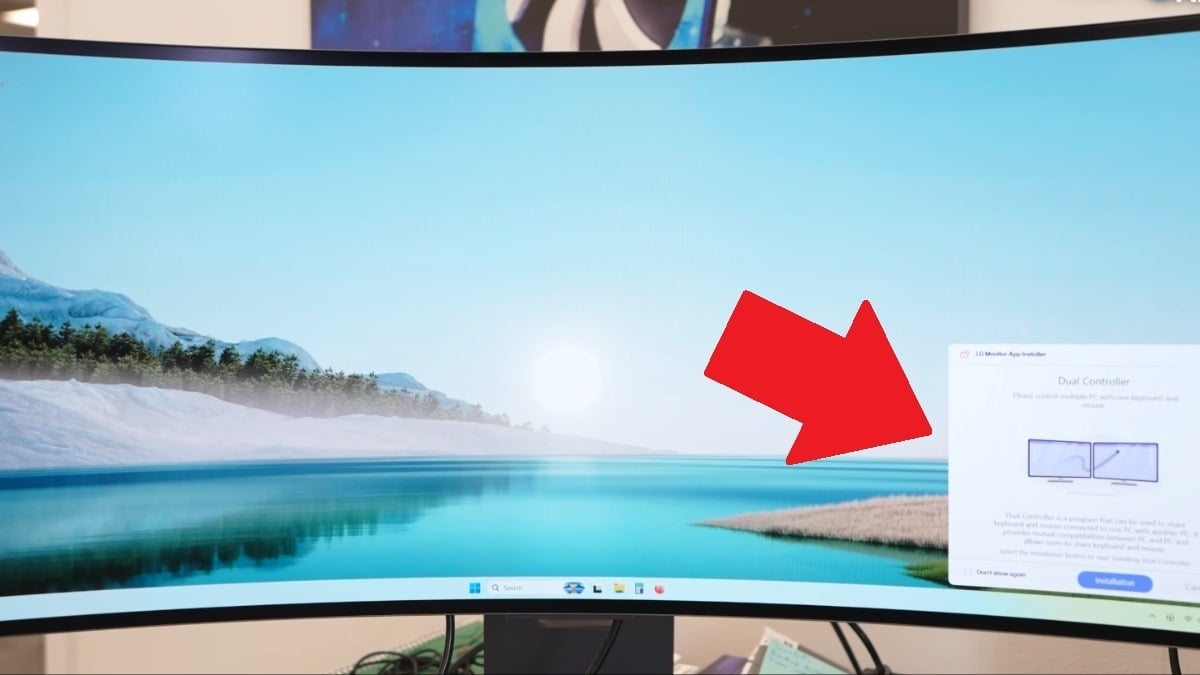
- •LG monitors are installing adware silently without user consent.
- •The LG Monitor App Installer promotes McAfee antivirus subscriptions.
- •Extensive permissions are granted to the installed software, raising privacy concerns.
Reports have emerged that LG monitors are silently installing adware on Windows PCs without user consent. This issue involves the LG Monitor App Installer, which automatically downloads upon connecting certain LG monitors, including models from the UltraGear and UltraFine series. Users have reported receiving persistent pop-ups promoting McAfee antivirus subscriptions, despite not having installed the software themselves. The software reportedly requests extensive permissions, including access to system resources and geolocation data. This practice has raised significant privacy and security concerns among users, particularly gamers who value transparency. The issue appears to have been ongoing since at least 2024, but recent reports indicate a more aggressive rollout. LG's reputation may be at risk if it does not address these concerns promptly. The tech community is urging LG to clarify the situation and potentially remove the adware.
Ask AI about this cluster
Answers cite the sources they use
Timeline
More articles in this cluster (12)
Continue Reading
 Critical BeyondTrust 9.3 Vulnerability Actively Exploited by Threat Actor A critical vulnerability (CVE-2026-102764) in BeyondTrust Remote Support has been discovered and is actively being exploited by the threat group ARMORY CASTLE, reportedly linked to China. The vulnerability, which has a CVSS score of 9.3, allows unauthenticated attackers to upload files and potentially compromise host…
  Lazarus APT Launches Operation FlashHole Using AI and Post-Quantum Cryptography Kaspersky has identified a cyberespionage campaign, dubbed Operation FlashHole, attributed to the Lazarus APT group, active since July 2025. The campaign has targeted at least three organizations in South Korea's construction, software, and wire-communication sectors. Attack methods include spear-phishing emails…