 Finance.Biggo
 LG Uplus Enhances AI Defense Against Holiday Voice Phishing Threats
Article Content

- •LG Uplus implements a 24/7 AI monitoring system to combat holiday phishing threats.
- •Malicious apps can turn smartphones into 'zombie phones,' enabling call manipulation.
- •Customers will be alerted via KakaoTalk if their devices are communicating with malicious servers.
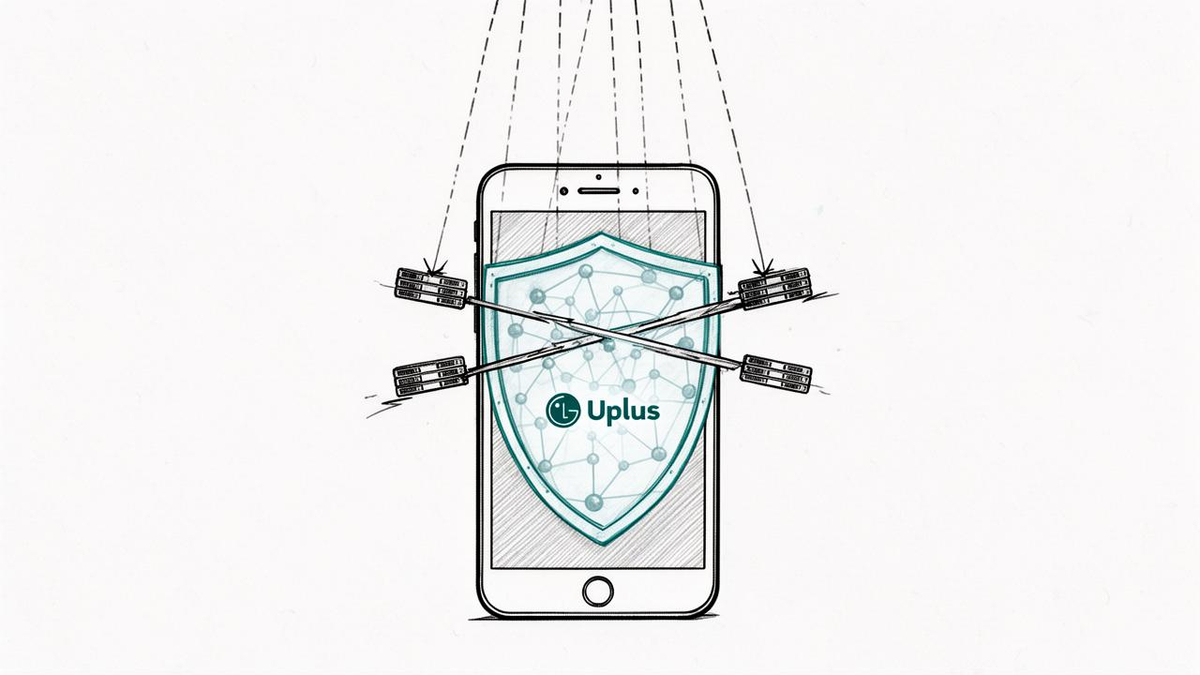
On September 13, 2026, LG Uplus announced a 24-hour special response system utilizing its AI-based Secure.AI+ to combat a surge in voice phishing and smishing attacks during the Chuseok holiday. The telecom carrier aims to protect customers from malicious texts impersonating delivery services and fraudulent investment apps. These attacks can lead to the installation of malware that turns smartphones into 'zombie phones,' allowing criminals to manipulate calls and intercept communications. LG Uplus will operate a dedicated monitoring team in Seoul, enhancing tracking and blocking of malicious app control servers. The company has established a hotline with police for rapid response to confirmed infections and alerts customers via KakaoTalk if their devices are compromised. Continuous training of the AI system on spam patterns is also part of the strategy. Precautionary measures have been advised for customers, including avoiding links from unknown sources.
Ask AI about this cluster
Answers cite the sources they use
Timeline
More articles in this cluster (2)
Continue Reading
 Critical Cisco FMC Vulnerabilities Under Active Exploitation Cisco's Secure Firewall Management Center (FMC) Software has two critical vulnerabilities, CVE-2026-20079 and CVE-2026-20316, that are currently being exploited by state-sponsored and ransomware actors. CVE-2026-20079, rated 10.0 on the CVSS scale, allows unauthenticated remote attackers to bypass authentication and…
  Critical GitLab Vulnerabilities Exploited Within Hours of Disclosure On September 10, 2026, GitLab released patches for critical vulnerabilities CVE-2026-85706 and CVE-2026-87719. CVE-2026-85706, a path traversal flaw, allows unauthenticated users to read arbitrary files from GitLab servers, while CVE-2026-87719 enables credential theft via insecure deserialization. Both…