 theautowire.com
Malware Infects Android Head Units via Updater, Kaspersky Reports
Article Content

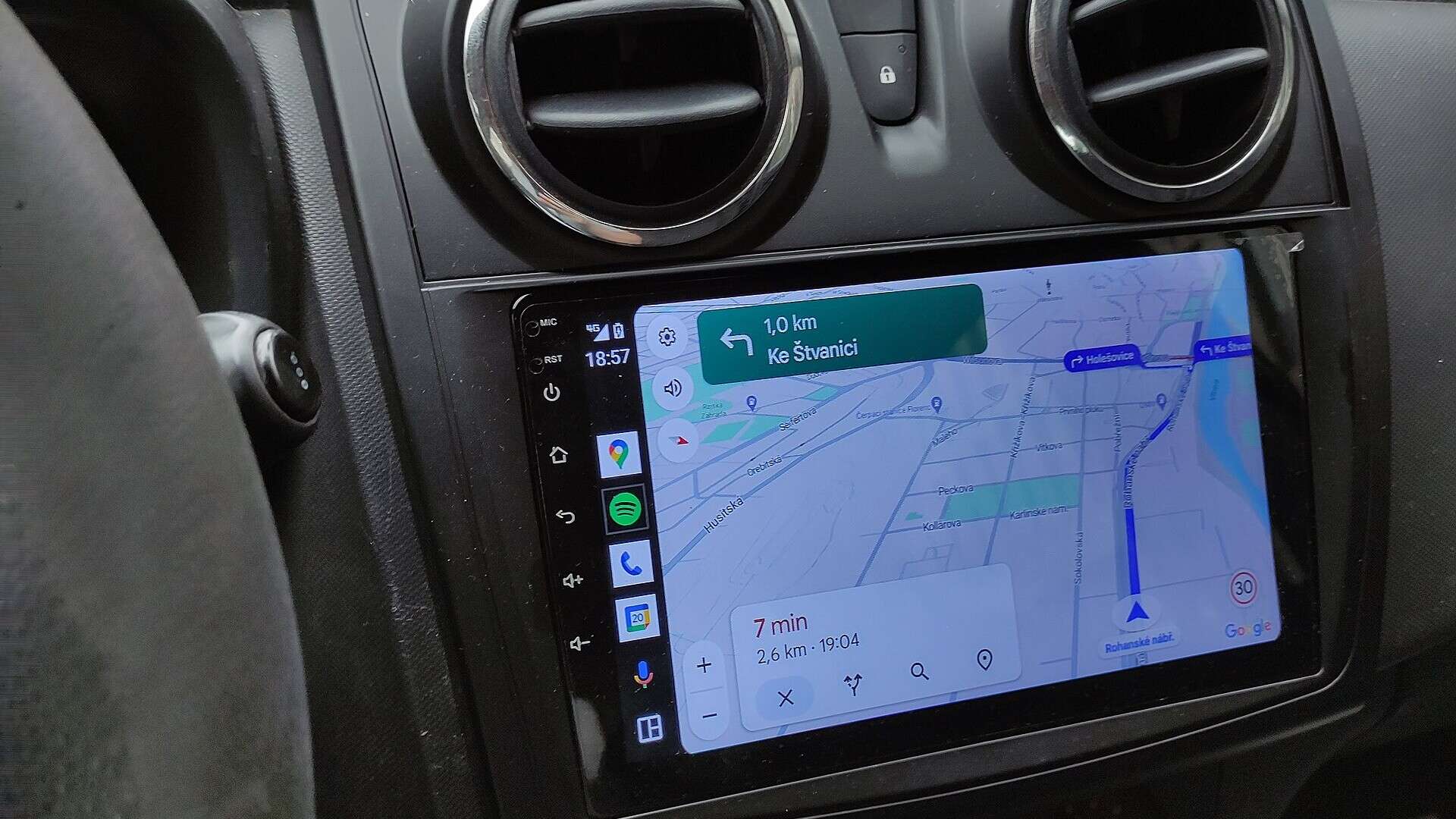
- •Malware installed via the TWCore updater on DoFun Android head units.
- •Infection discovered in June 2026, with findings released in August 2026.
- •Malware operates silently, reporting device data to a command server every 90 minutes.
Kaspersky identified malware in DoFun Android head units, installed through the TWCore updater, which handles software updates and analytics. The infection was discovered in June 2026, with findings published on August 21, 2026. The malware, referred to as JarService, operates without a user interface and checks in with its command server every 90 minutes, collecting device information. The infection chain is notable as it is the first documented case of malware specifically targeting car head units. The attack vector leverages a setting in TWCore that allows installation of apps not previously on the device. Kaspersky has not confirmed whether the vendor's infrastructure was compromised or if the channel was misused by someone with legitimate access. The malware can execute commands, including downloading code and potentially facilitating ad fraud.
Ask AI about this cluster
Answers cite the sources they use
Timeline
More articles in this cluster (4)
Following this threat?
Track MoYu and DoFun in your own feed — you're alerted when they show up in new reporting, leak sites or exploitation.
Free account · no card needed
Common questions
Which devices are affected?
How does the malware operate?
What should users do to protect their devices?
Continue Reading
 PHP2Shell Vulnerabilities Exploited by AI-Driven Attackers Threat actors have exploited PHP2Shell vulnerabilities (CVE-2026-109618 and CVE-2026-109619) to target a government entity in Europe, gaining access to sensitive data within two hours of the initial breach. The attackers utilized AI tools for reconnaissance and post-exploitation activities, including accessing…