 secretsoftheice.com
Melting Ice Reveals Ancient Artifacts Amid Climate Crisis
Article Content

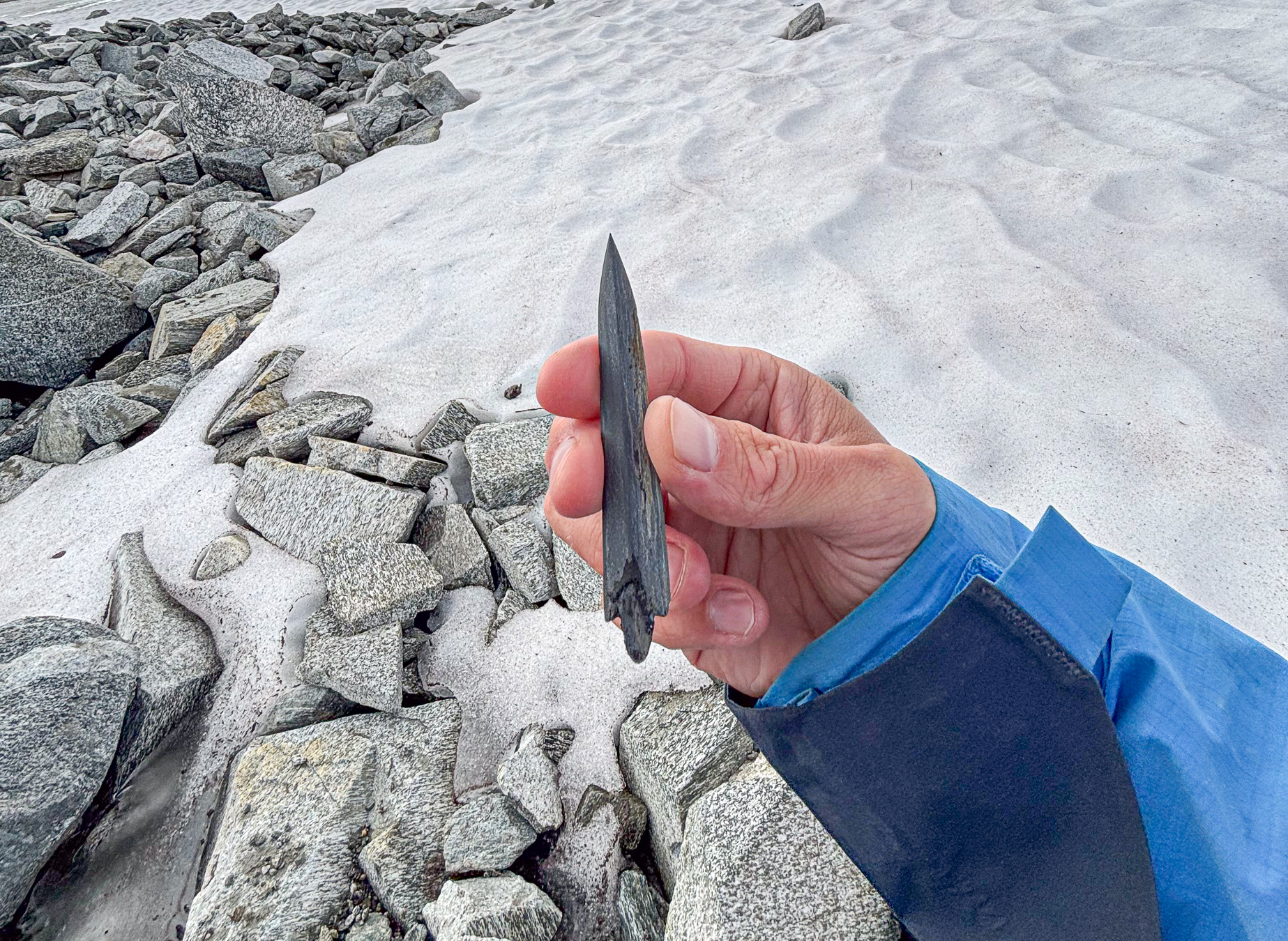
- •48 prehistoric arrows recovered from melting ice in Jotunheimen, Norway.
- •20 years of archaeological work has yielded over 5,000 artifacts from the ice.
- •Rapid climate change is threatening the preservation of ancient artifacts.
Archaeologists in Norway have recovered 48 prehistoric arrows from melting ice in Jotunheimen, marking a significant shift as the oldest ice, which has preserved artifacts for thousands of years, continues to disappear. The glacial archaeology program, Secrets of the Ice, has documented a rapid change in the landscape, with large areas previously covered by ice now exposed. This year marks the 20th anniversary of their work, during which they have recovered over 5,000 artifacts, including hunting equipment and everyday items. The findings highlight the impact of climate change on archaeological sites, as many artifacts dating back to the Stone Age are now at risk of being lost forever. The emotional toll on archaeologists is profound, as they witness the loss of ice that has preserved these historical treasures for millennia. Experts estimate that most ice patches containing archaeological finds will vanish within the next 20 years.
Ask AI about this cluster
Answers cite the sources they use
Timeline
More articles in this cluster (2)
Common questions
What types of artifacts were found?
How is climate change affecting these archaeological sites?
What is the future of these archaeological sites?
Continue Reading
 North Korean Hackers Steal $6.3 Billion from Binance in Record Crypto Heist On October 29, 2026, Binance, the world's largest cryptocurrency exchange, reported a massive security breach resulting in the theft of approximately $6.3 billion across ten blockchains. The attack is attributed to North Korea's TraderTraitor hacking group, which gained access via a compromised DevOps engineer's…
 Chinese Actor Compromises US Government Networks via PHP2Shell Exploit A suspected Chinese nation-state actor exploited vulnerabilities in Palo Alto Networks firewalls using a chained PHP2Shell exploit and a Linux kernel privilege escalation flaw. The attack, which began on October 23, targeted 25 servers across the US, Japan, Taiwan, and South Korea, with a focus on US…