 United24Media
 Moscow Airports Grounded Due to Alleged Ukrainian Drone and Balloon Activity
Article Content

- •All four Moscow airports halted operations on October 9 due to drone and balloon threats.
- •Over 200 flights were delayed and around 100 canceled due to the disruptions.
- •Russian air defenses reportedly engaged multiple aerial targets, including balloons launched from Ukraine.
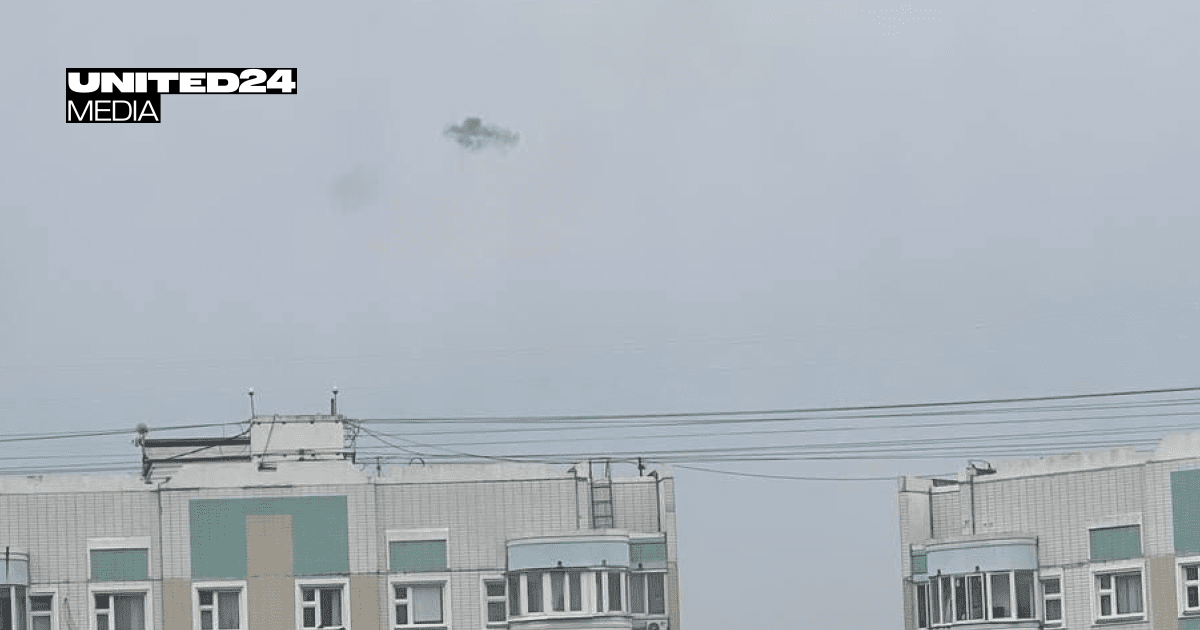
On October 9, 2026, all four major Moscow airports—Sheremetyevo, Vnukovo, Domodedovo, and Zhukovsky—suspended flight operations due to reported drone activity and sightings of balloons in the airspace. Russian authorities claimed that air defense systems were activated in response to the threats, with reports of explosions and air defense activity from residents. Over 200 flights were delayed and around 100 canceled as a result of the disruptions. Local reports indicated that small reconnaissance balloons, allegedly launched from Ukraine, were shot down in the Yaroslavl region. This incident follows a recent claim by Russia of a large-scale drone attack involving 1,750 drones aimed at the capital. The situation has escalated tensions in the region, with Ukrainian President Zelensky previously warning of increased drone activity in Russian airspace.
Ask AI about this cluster
Answers cite the sources they use
Timeline
More articles in this cluster (3)
Common questions
What caused the airport shutdown?
How many flights were affected?
What actions did Russian authorities take?
Continue Reading
 CVE-2015-3306 Exploited in ProFTPD FTP Servers CVE-2015-3306, a vulnerability in ProFTPD 1.3.5, allows remote attackers to read and write arbitrary files using the SITE CPFR and SITE CPTO commands. This exploit can lead to unauthorized access and potential remote code execution, as the commands are executed with the privileges of the ProFTPD service. Active…
  CISA Sets Oct. 11 Deadline for Patching Flaws Exploited by Flax Typhoon The U.S. Cybersecurity and Infrastructure Security Agency (CISA) has added five vulnerabilities to its Known Exploited Vulnerabilities (KEV) catalog after they were exploited by the China-linked group Flax Typhoon. Federal agencies must patch or retire the affected software by October 11, 2026. The vulnerabilities…