 United24Media
NATO Thwarts Russian Submarine Sabotage of Undersea Cables
Article Content

- •NATO allies intercepted Russian submarines training for undersea cable sabotage.
- •The operation involved a secret weapon capable of disabling cables without leaving traces.
- •No cables were damaged, but the incident raised alarms about future sabotage threats.
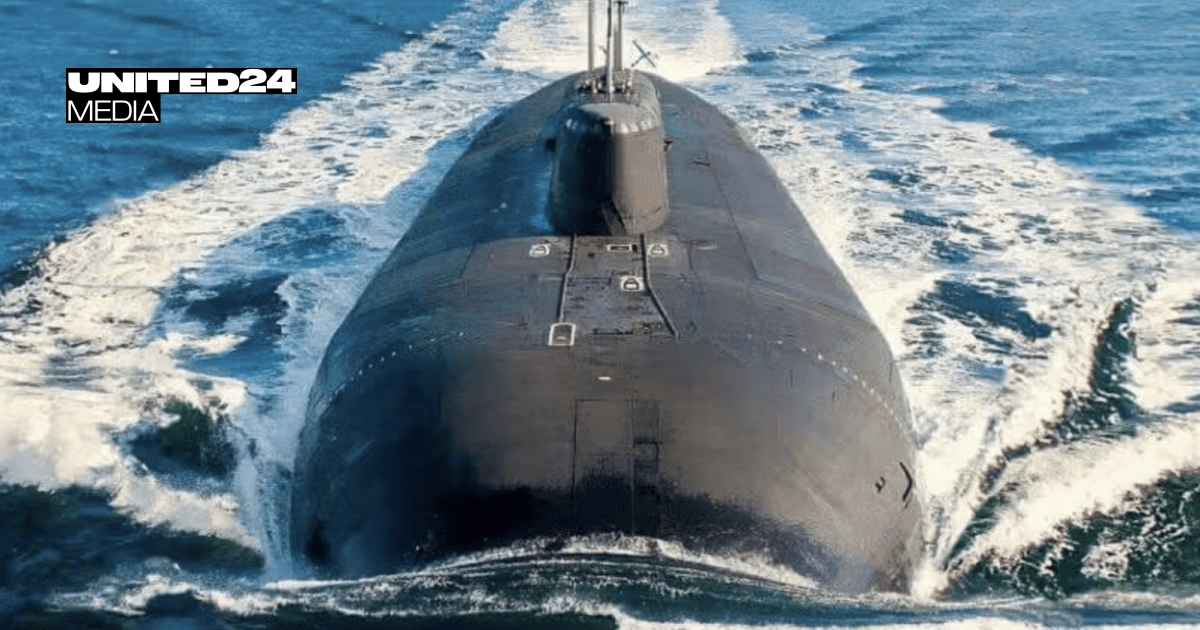
In a joint operation this spring, NATO allies intercepted Russian submarines near Svalbard, which were training to deploy a secret weapon aimed at severing undersea cables without detection. The operation involved the Russian GUGI undersea warfare directorate using deep-sea submersibles to simulate the deployment of this technology. The UK, Norway, and the US tracked and confronted the Russian vessels, preventing them from completing their exercise. No cables were damaged during the incident, but the exercise raised concerns about potential sabotage operations targeting critical infrastructure. The undersea cables in question are crucial for global internet connectivity and financial transactions, lying as deep as 2,700 meters below the sea. Following the incident, British and Norwegian officials communicated their findings to Moscow to deter future use of the technology. The Kremlin has denied any involvement in sabotage operations against NATO countries. This event highlights the increasing tensions and potential threats to undersea infrastructure in the Arctic region.
Ask AI about this cluster
Answers cite the sources they use
Timeline
More articles in this cluster (32)
Continue Reading
 Brotli Decoder Vulnerability Patched Across Multiple Linux Distributions A vulnerability, CVE-2026-111497, affecting the Brotli decoder has been patched in various Linux distributions, including Fedora 44 and Oracle Linux 10. The flaw allows for an out-of-bounds write, which could potentially enable attackers to execute arbitrary code. The vulnerability was published on October 22, 2026…