 Pravda.Ua
 North Korea Profits Billions from Military Support to Russia in Ukraine War
Article Content

- •North Korea may have earned up to $14 billion from military support to Russia.
- •Approximately 20,000 North Korean troops are deployed in Ukraine, including special forces and engineers.
- •The military cooperation has led to significant economic growth for North Korea, despite international sanctions.
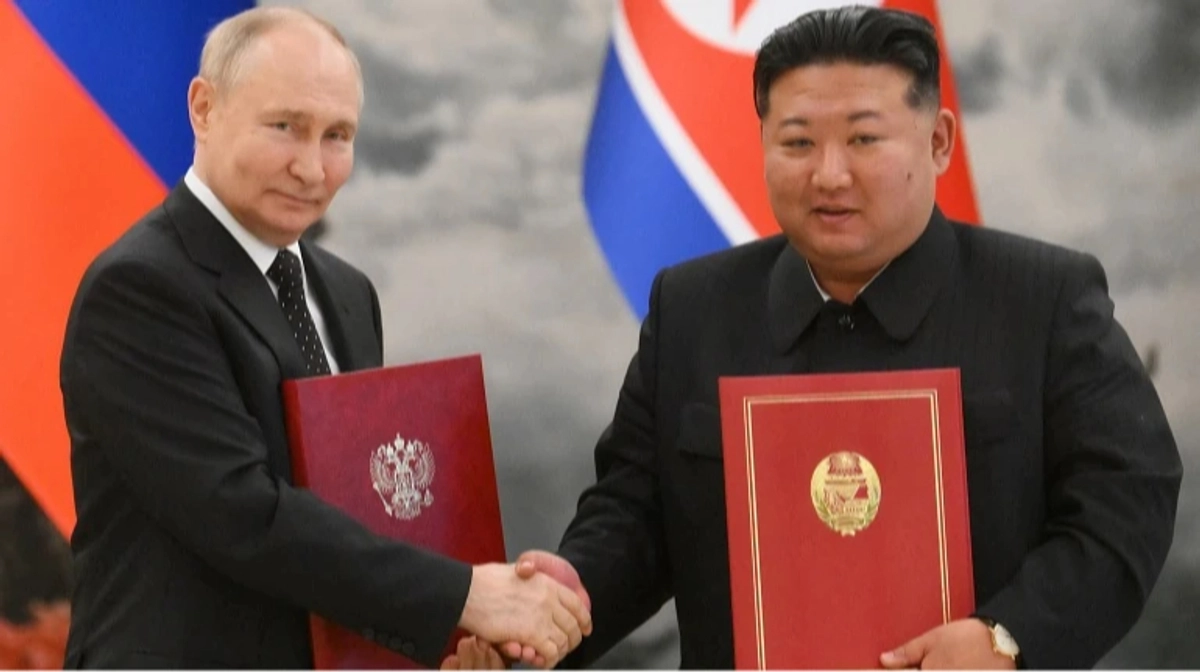
North Korea has reportedly earned between $13 billion and $14 billion from military cooperation with Russia during the Ukraine war. This revenue comes from supplying weapons, including artillery shells and KN-23 ballistic missiles, as well as sending approximately 20,000 military personnel to support Russian operations. Analysts estimate that this income represents a significant portion of North Korea's GDP, which is estimated at around $17.2 billion to $26.6 billion. The military partnership has deepened since a mutual defense pact was signed in June 2024, with North Korea receiving foreign currency, energy supplies, and military technology in return. The economic boost has led to an increase in luxury goods in North Korea, although the benefits may not reach the rural population. Reports indicate that North Korean troops have been actively engaged in combat since late 2024, with significant casualties reported. The ongoing military cooperation is expected to have long-term impacts on North Korea's industrial capabilities.
Ask AI about this cluster
Answers cite the sources they use
Timeline
More articles in this cluster (6)
Continue Reading
 Critical WSO2 API Manager Vulnerability Under Active Exploitation A critical vulnerability (CVE-2026-5430) in WSO2 API Manager is being actively exploited, allowing unauthenticated attackers to forge admin tokens via JWT authentication bypass. This flaw, which has a CVSS score of 10.0, affects multiple WSO2 products including API Manager, Universal Gateway, Traffic Manager, and API…
  Critical Linux Kernel Vulnerability CVE-2025-39682 Under Active Exploitation A critical vulnerability (CVE-2025-39682) in the Linux kernel allows remote code execution through mishandling of zero-length TLS records. This flaw affects kTLS-enabled hosts running vulnerable kernel versions, exposing them to attackers without authentication. CISA added this vulnerability to its Known Exploited…