 Aa.Tr
North Korea Tests Cluster Bomb Warhead Amid Rising Tensions
Article Content

- •North Korea tested a cluster-bomb warhead on October 31, 2026.
- •The warhead can destroy a target area of 12 to 13 hectares.
- •All four types of cluster-bomb warheads will be available to military units by the end of 2026.
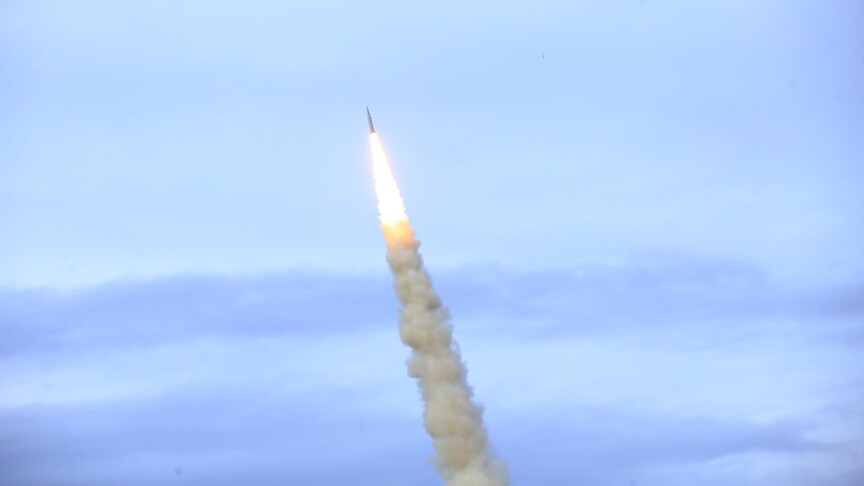
On October 31, 2026, North Korea conducted a test of a cluster-bomb warhead designed for tactical ballistic missiles, as reported by state media KCNA. The test aimed to assess the warhead's combat adaptability and destructive power, confirming it can devastate a target area of 12 to 13 hectares. North Korea's Missile Administration plans to classify the warheads into four categories and make them available to military units by the end of 2026. This test follows a series of missile launches and military drills amid heightened tensions on the Korean Peninsula, particularly after a landmine explosion injured three South Korean soldiers. South Korea's military monitored the launch, which was fired from Chongju towards the Yellow Sea. The test is part of North Korea's ongoing military modernization efforts, which include recent trials of various weapon systems.
Ask AI about this cluster
Answers cite the sources they use
Timeline
More articles in this cluster (9)
Common questions
What is the purpose of the cluster-bomb warhead?
How does this test relate to recent tensions?
What are the implications for regional security?
Continue Reading
 Chinese Actor Compromises US Government Networks via PHP2Shell Exploit A suspected Chinese nation-state actor exploited vulnerabilities in Palo Alto Networks firewalls using a chained PHP2Shell exploit and a Linux kernel privilege escalation flaw. The attack, which began on October 23, targeted 25 servers across the US, Japan, Taiwan, and South Korea, with a focus on US…
 China-Linked Hackers Exploit PHP2Shell Vulnerabilities to Breach U.S. Government Systems On October 21, 2026, the PHP development team released patches for two critical vulnerabilities in PHP, known as PHP2Shell (CVE-2026-109618 and CVE-2026-109619), which allow unauthenticated remote code execution. These vulnerabilities were actively exploited by a suspected China-linked threat actor who compromised 25…