 theconversation.com
 North Korea's Shadow Fleet Evades Sanctions Using Deceptive Tactics
Article Content

- •North Korea's shadow fleet uses identity spoofing to evade sanctions.
- •The Automatic Identification System (AIS) is easily manipulated by vessels like New Konk.
- •Improved maritime domain awareness is crucial for tracking deceptive shipping activities.
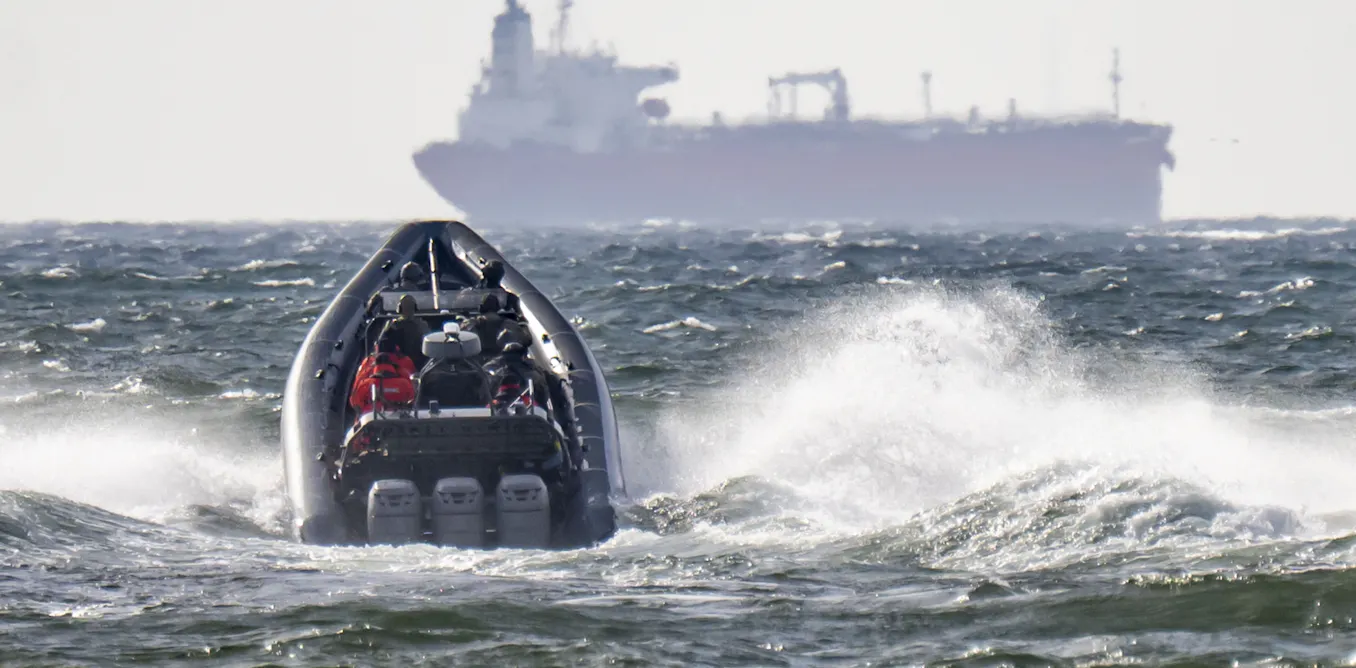
North Korea continues to evade international sanctions through a network of shadow ships, notably using tactics like vessel identity laundering. The tanker New Konk, originally built in Japan, transformed its identity by spoofing another vessel's identification numbers and changing its appearance in a Chinese shipyard. This deception allows North Korean operators to transport oil despite UN restrictions. The challenges of maritime domain awareness are highlighted, as the Automatic Identification System (AIS) is easily spoofed, complicating efforts to track these vessels. The situation underscores the difficulty of enforcing maritime laws in vast ocean spaces, where ships can disappear and reappear under false identities. Experts emphasize the need for improved maritime surveillance technologies to counter such evasive maneuvers.
Ask AI about this cluster
Answers cite the sources they use
Timeline
More articles in this cluster (2)
Common questions
How do shadow fleets operate?
What are the implications for maritime law?
What can be done to improve tracking?
Continue Reading
 Critical Authentication Bypass in Cisco Catalyst SD-WAN Manager Exploited On September 30, 2026, Cisco disclosed a critical vulnerability (CVE-2026-76504) in the Catalyst SD-WAN Manager that allows unauthenticated remote attackers to bypass authentication and gain admin-level access to the system. This flaw stems from improper handling of URI encoding in HTTP requests, enabling attackers to…