 Leadership.Ng
Onuoha Urges Media to Combat AI-Driven Election Disinformation
Article Content

- •Onuoha advocates for AI policies in media to combat election disinformation.
- •Specialized training for political reporters is essential for accurate coverage.
- •Collaboration with fact-checking bodies is crucial to address misinformation.
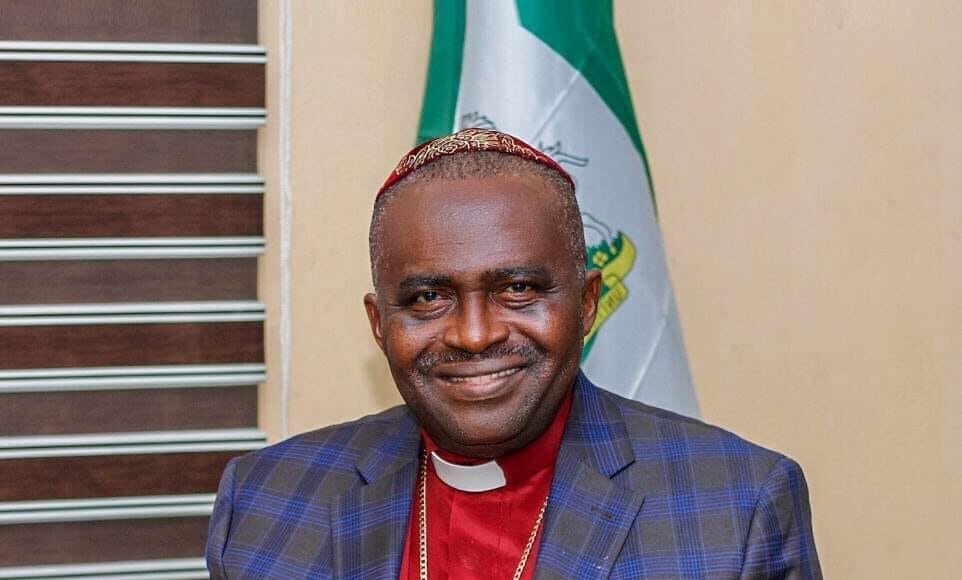
Archbishop Sunday Onuoha has called for media organizations to implement AI policies and establish election verification desks to combat disinformation ahead of Nigeria's 2027 general elections. Speaking at the launch of 'Digital Shift in Nigeria’s Newspaper Industry', he emphasized the need for specialized training for political reporters and collaboration with fact-checking bodies. Onuoha highlighted the importance of separating advertising from editorial content and ensuring that political information is clearly labeled. He also recommended the establishment of misinformation hotlines and partnerships with universities to enhance election monitoring. The archbishop urged journalists to focus on substantive issues rather than personalities during election coverage. The event took place in Abuja, with remarks from Dr. Sunday Isuwa, who noted the challenges posed by misinformation and declining public trust in journalism.
Ask AI about this cluster
Answers cite the sources they use
Timeline
More articles in this cluster (2)
Common questions
What specific AI policies should media adopt?
How can journalists improve election coverage?
What partnerships are recommended for better election monitoring?
Continue Reading
 North Korean Hackers Steal $6.3 Billion from Binance in Record Crypto Heist On October 29, 2026, Binance, the world's largest cryptocurrency exchange, reported a massive security breach resulting in the theft of approximately $6.3 billion across ten blockchains. The attack is attributed to North Korea's TraderTraitor hacking group, which gained access via a compromised DevOps engineer's…
 China-Linked Hackers Exploit PHP2Shell Vulnerabilities to Breach U.S. Government Systems On October 21, 2026, the PHP development team released patches for two critical vulnerabilities in PHP, known as PHP2Shell (CVE-2026-109618 and CVE-2026-109619), which allow unauthenticated remote code execution. These vulnerabilities were actively exploited by a suspected China-linked threat actor who compromised 25…