 Ibtimes
Organised Crime Uses GPS Spoofing to Steal $100M in Data Centre Equipment
Article Content

- •Over $100 million in data centre equipment stolen since June 2026.
- •Criminals use GPS spoofing and hacked accounts to intercept shipments.
- •Thefts are becoming more coordinated and violent, targeting high-value AI infrastructure.
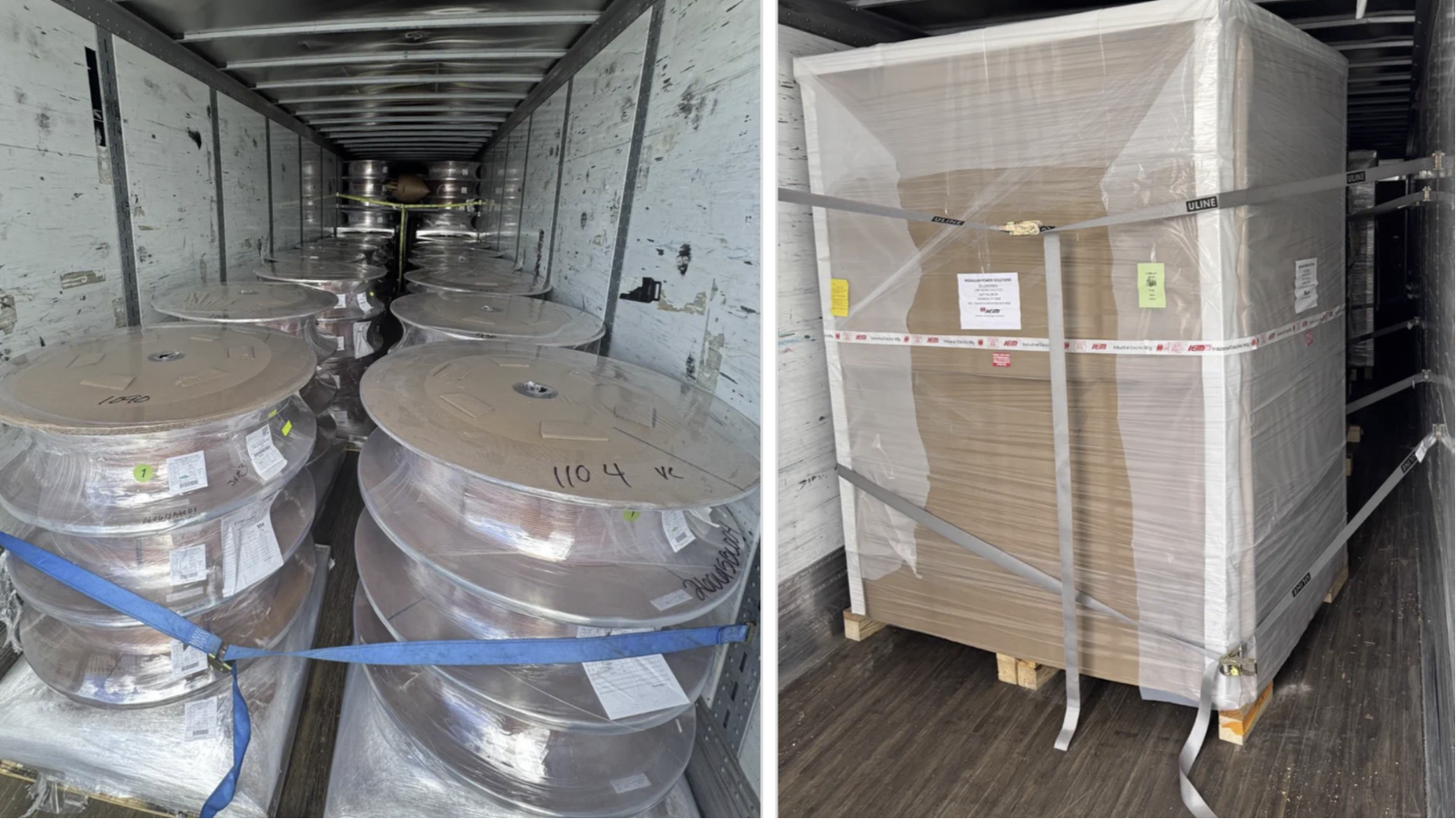
Since June 2026, organised criminal networks have stolen over $100 million in data centre equipment using sophisticated methods like GPS spoofing and hacked freight accounts. Two major thefts involved shipments of computer hardware worth $23 million, including a $13 million trailer bound for Fayetteville, Georgia, and a $10 million shipment from California to Texas. In both cases, vehicles struck escort cars, allowing the trailers to escape. Investigators noted that the GPS tracking for the second shipment was spoofed, complicating recovery efforts. Criminals are reportedly using phishing schemes to compromise freight brokers' accounts, enabling them to misdirect shipments and hire accomplices with fake identities. The stolen equipment includes servers, memory chips, and copper wiring, with a growing trend in high-value technology cargo thefts as AI investments surge. Experts warn that these thefts are becoming more coordinated and violent, representing a significant shift from opportunistic highway thefts.
Ask AI about this cluster
Answers cite the sources they use
Timeline
More articles in this cluster (2)
Common questions
How are the thieves operating?
What types of equipment are being targeted?
What should companies do to protect their shipments?
Continue Reading
 PHP2Shell Vulnerabilities Exploited by AI-Driven Attackers Threat actors have exploited PHP2Shell vulnerabilities (CVE-2026-109618 and CVE-2026-109619) to target a government entity in Europe, gaining access to sensitive data within two hours of the initial breach. The attackers utilized AI tools for reconnaissance and post-exploitation activities, including accessing…
 Lazarus APT Launches Operation FlashHole Using AI and Post-Quantum Cryptography Kaspersky has identified a cyberespionage campaign, dubbed Operation FlashHole, attributed to the Lazarus APT group, active since July 2025. The campaign has targeted at least three organizations in South Korea's construction, software, and wire-communication sectors. Attack methods include spear-phishing emails…