 Tribune.Pk
 Pakistan Calls for Enhanced SCO Cooperation Against Cybercrime and Terrorism
Article Content

- •Naqvi emphasized the need for enhanced intelligence cooperation among SCO member states.
- •He highlighted the role of AI and digital platforms in facilitating criminal activities.
- •Pakistan's Anti-Narcotics Force is actively involved in SCO-led counter-narcotics initiatives.
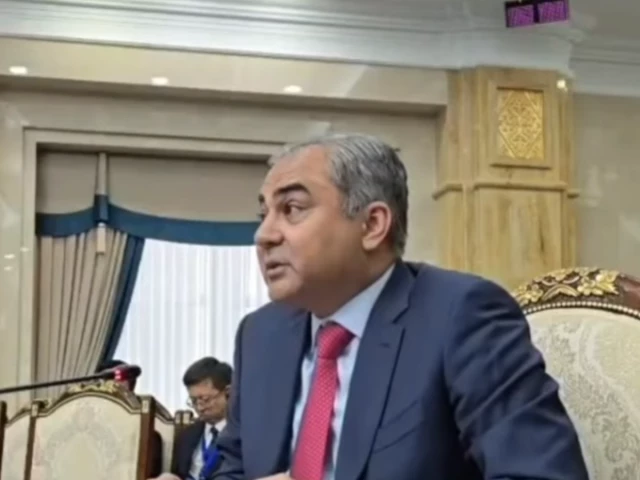
Interior Minister Mohsin Naqvi urged member states of the Shanghai Cooperation Organisation (SCO) to enhance intelligence coordination and cooperation in combating terrorism, organized crime, narcotics trafficking, cybercrime, and terror financing. During a special meeting in Bishkek, he highlighted the evolving nature of security threats, particularly the exploitation of artificial intelligence and digital platforms by criminal networks. Naqvi emphasized the need for a comprehensive regional strategy to address these interconnected challenges and called for improved intelligence-sharing mechanisms. He reiterated Pakistan's commitment to the principles of the SCO and its ongoing efforts under the National Action Plan to combat terrorism and organized crime. The minister also pointed out that drug trafficking remains a significant source of terrorist financing, necessitating a coordinated response. He advocated for workshops and expert exchange programs to bolster regional security cooperation, particularly in cyber intelligence and digital forensics.
Ask AI about this cluster
Answers cite the sources they use
Timeline
More articles in this cluster (5)
Continue Reading
 Critical BeyondTrust 9.3 Vulnerability Actively Exploited by Threat Actor A critical vulnerability (CVE-2026-102764) in BeyondTrust Remote Support has been discovered and is actively being exploited by the threat group ARMORY CASTLE, reportedly linked to China. The vulnerability, which has a CVSS score of 9.3, allows unauthenticated attackers to upload files and potentially compromise host…
  Lazarus APT Launches Operation FlashHole Using AI and Post-Quantum Cryptography Kaspersky has identified a cyberespionage campaign, dubbed Operation FlashHole, attributed to the Lazarus APT group, active since July 2025. The campaign has targeted at least three organizations in South Korea's construction, software, and wire-communication sectors. Attack methods include spear-phishing emails…