 Philstar
 Philippines and China Engage in Diplomatic Tensions Over Maritime Disputes
Article Content

- •Philippine DFA criticized Chinese envoy for threatening remarks.
- •Chinese embassy accused DFA of misinterpretation of statements.
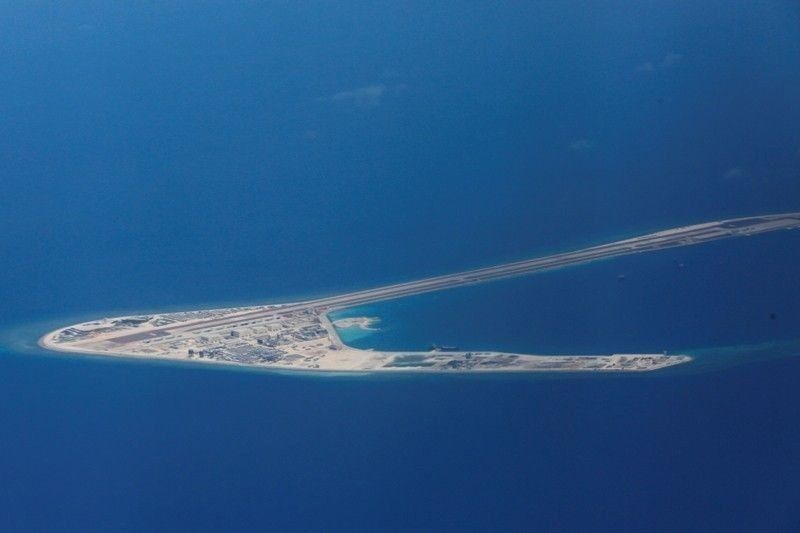
- •Philippine Coast Guard engaged with Chinese vessels near Lawak Island.
On October 15, 2026, the Philippine Department of Foreign Affairs publicly admonished Chinese Ambassador Jing Quan for remarks perceived as a threat of force regarding maritime disputes. Jing's comments suggested that China could easily win if it chose to use force, which the DFA criticized as unhelpful for bilateral relations. In response, the Chinese embassy accused the DFA of misinterpretation and called for more responsible dialogue. The Philippine military has rejected claims that the lack of military communication with China is responsible for rising tensions, attributing it instead to aggressive actions by Chinese maritime forces. Meanwhile, the Philippine Coast Guard reported driving away Chinese fishing boats from Lawak Island, further escalating tensions in the region. The situation reflects ongoing complexities in Philippines-China relations, particularly concerning the West Philippine Sea.
Ask AI about this cluster
Answers cite the sources they use
Timeline
More articles in this cluster (4)
Common questions
What did the Chinese envoy say?
How did the Philippine military respond?
What actions are being taken in the West Philippine Sea?
Continue Reading
 Critical Zero-Day Exploited in BeyondTrust Remote Support by China-linked Group A critical vulnerability in BeyondTrust Remote Support, tracked as CVE-2026-102764 with a CVSS score of 9.3, has been exploited by the China-linked espionage group Armory Castle since August 29, 2026. This flaw allows unauthenticated remote attackers to perform file operations, gaining root control and access to…
  CISA Warns of Exploited Vulnerabilities in ProFTPD, ONLYOFFICE, Strapi, and More The U.S. Cybersecurity and Infrastructure Security Agency (CISA) added five vulnerabilities to its Known Exploited Vulnerabilities (KEV) catalog, including critical flaws in ProFTPD, ONLYOFFICE Docs, Strapi, Apache Struts, and ISC BIND. These vulnerabilities are being by Chinese actors for cyber espionage, targeting…