 www.notizie.it
 Phishing Scam Targets Health Card Data via Fraudulent Emails
Article Content
Browse articles 
- •Phishing emails impersonate the Ministry of Health to steal personal data.
- •Victims are directed to a fake website resembling official platforms.
- •The Ministry of Health advises against providing personal information via email.
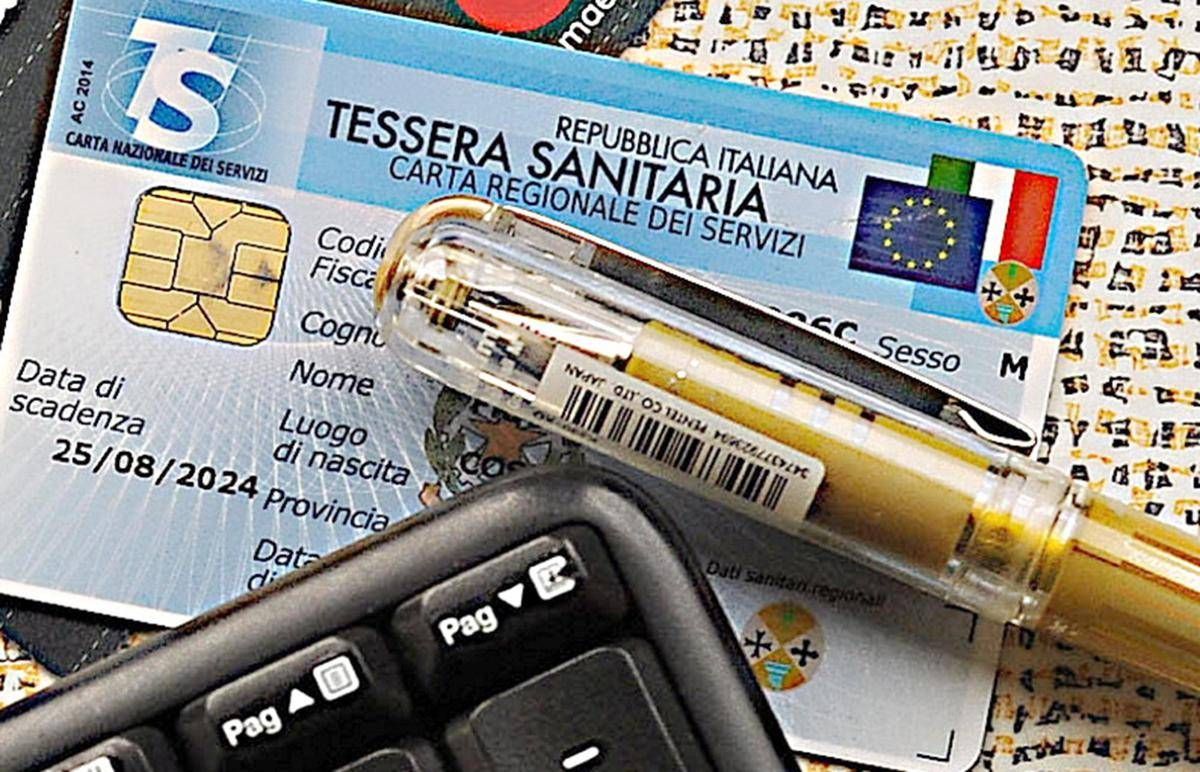
The Italian Ministry of Health has issued an alert regarding a phishing campaign using fake emails that impersonate the ministry. These emails invite citizens to provide personal data for renewing their health cards, directing them to a fraudulent website that mimics official platforms. The ministry emphasizes that it does not request personal information through unofficial channels and advises recipients to avoid clicking on suspicious links and to delete such emails immediately. This scam poses a risk of identity theft and misuse of sensitive personal information. Citizens are urged to rely solely on official communication channels for any health card inquiries.
Ask AI about this cluster
Answers cite the sources they use
Updated just now How this analysis works
Timeline
2026-10-17
Ministry issues phishing alert
The Ministry of Health warns the public about fraudulent emails soliciting personal data for health card renewal.
www.recnews.it2026-10-17
Phishing campaign details revealed
The scam involves emails that lead users to a fake site requesting sensitive information, according to the ministry.
ilsicilia.itMore articles in this cluster (4)
Common questions
How can I identify these phishing emails?
Look for emails that ask for personal data or include suspicious links, as the Ministry of Health does not request such information via email.
What should I do if I receive one of these emails?
Do not click on any links, do not provide any personal information, and delete the email immediately.
Where can I find official information about my health card?
Consult the official Ministry of Health website or their verified social media channels for accurate information.
Continue Reading
 Critical Zero-Day Exploited in BeyondTrust Remote Support by China-linked Group A critical vulnerability in BeyondTrust Remote Support, tracked as CVE-2026-102764 with a CVSS score of 9.3, has been exploited by the China-linked espionage group Armory Castle since August 29, 2026. This flaw allows unauthenticated remote attackers to perform file operations, gaining root control and access to…
  CISA Warns of Exploited Vulnerabilities in ProFTPD, ONLYOFFICE, Strapi, and More The U.S. Cybersecurity and Infrastructure Security Agency (CISA) added five vulnerabilities to its Known Exploited Vulnerabilities (KEV) catalog, including critical flaws in ProFTPD, ONLYOFFICE Docs, Strapi, Apache Struts, and ISC BIND. These vulnerabilities are being by Chinese actors for cyber espionage, targeting…