 Nbcchicago
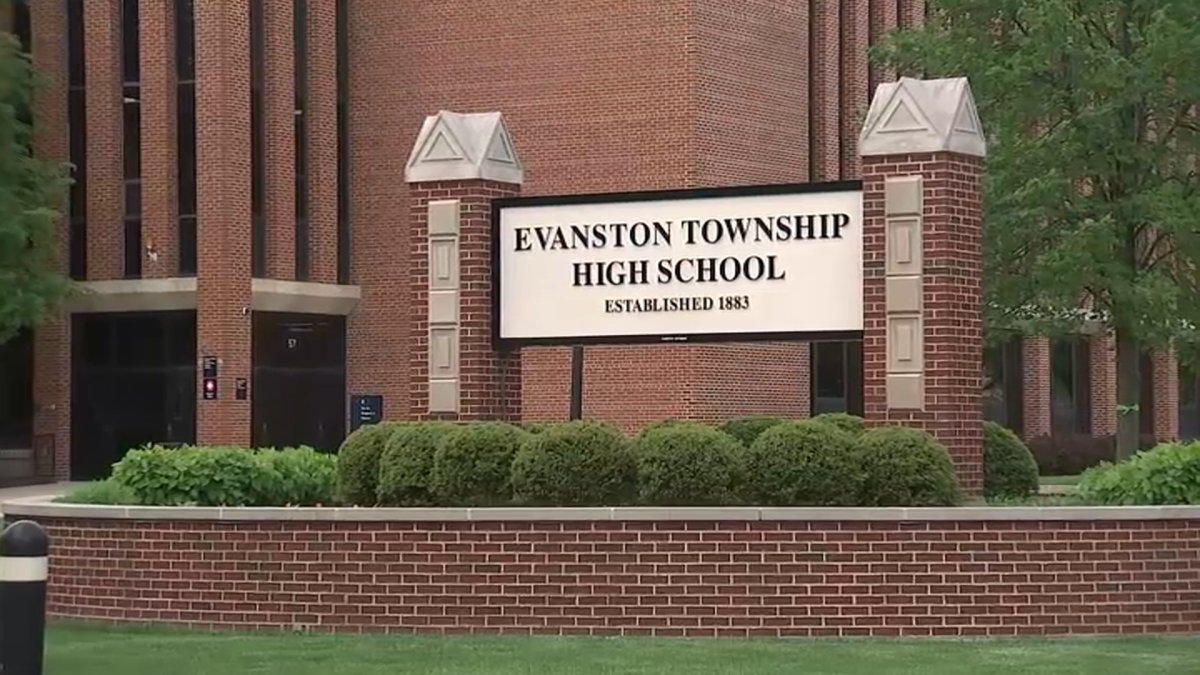
 Ransomware Attack Closes Evanston Township High School for Two Days
Article Content

- •Evanston Township High School is closed for two days due to a ransomware attack.
- •The attack disrupted critical systems, affecting communication and online resources.
- •The FBI is involved in the investigation, with no ransom demand reported yet.
Evanston Township High School (ETHS) has been closed due to a ransomware attack that occurred on June 7, 2026. The attack has disrupted access to critical systems, internet services, and computer infrastructure, leading to the cancellation of summer school classes, sports camps, and other on-campus activities for June 8 and 9. School officials activated incident response procedures and are working with external cybersecurity experts and the FBI to investigate the breach. Currently, phone systems are down, and staff have limited access to emails and online resources, including Access Center. No ransom demand has been reported yet, and the extent of the data accessed remains unclear. The school district is committed to providing updates as the situation evolves.
Ask AI about this cluster
Answers cite the sources they use
Timeline
More articles in this cluster (15)
Following this threat?
Track Evanston Township High School in your own feed — you're alerted when they show up in new reporting, leak sites or exploitation.
Free account · no card needed
Continue Reading
 Critical Cisco FMC Vulnerabilities Under Active Exploitation Cisco's Secure Firewall Management Center (FMC) Software has two critical vulnerabilities, CVE-2026-20079 and CVE-2026-20316, that are currently being exploited by state-sponsored and ransomware actors. CVE-2026-20079, rated 10.0 on the CVSS scale, allows unauthenticated remote attackers to bypass authentication and…
  Critical GitLab Vulnerabilities Exploited Within Hours of Disclosure On September 10, 2026, GitLab released patches for critical vulnerabilities CVE-2026-85706 and CVE-2026-87719. CVE-2026-85706, a path traversal flaw, allows unauthenticated users to read arbitrary files from GitLab servers, while CVE-2026-87719 enables credential theft via insecure deserialization. Both…