 Infostealers
 Revolut Data Breach: Infostealers Exploit Social Engineering Tactics
Article Content

- •Revolut's customer data breach involved unauthorized access to sensitive information.
- •The attack employed infostealers and social engineering tactics over five months.
- •Revolut has notified authorities and is investigating the incident's impact.
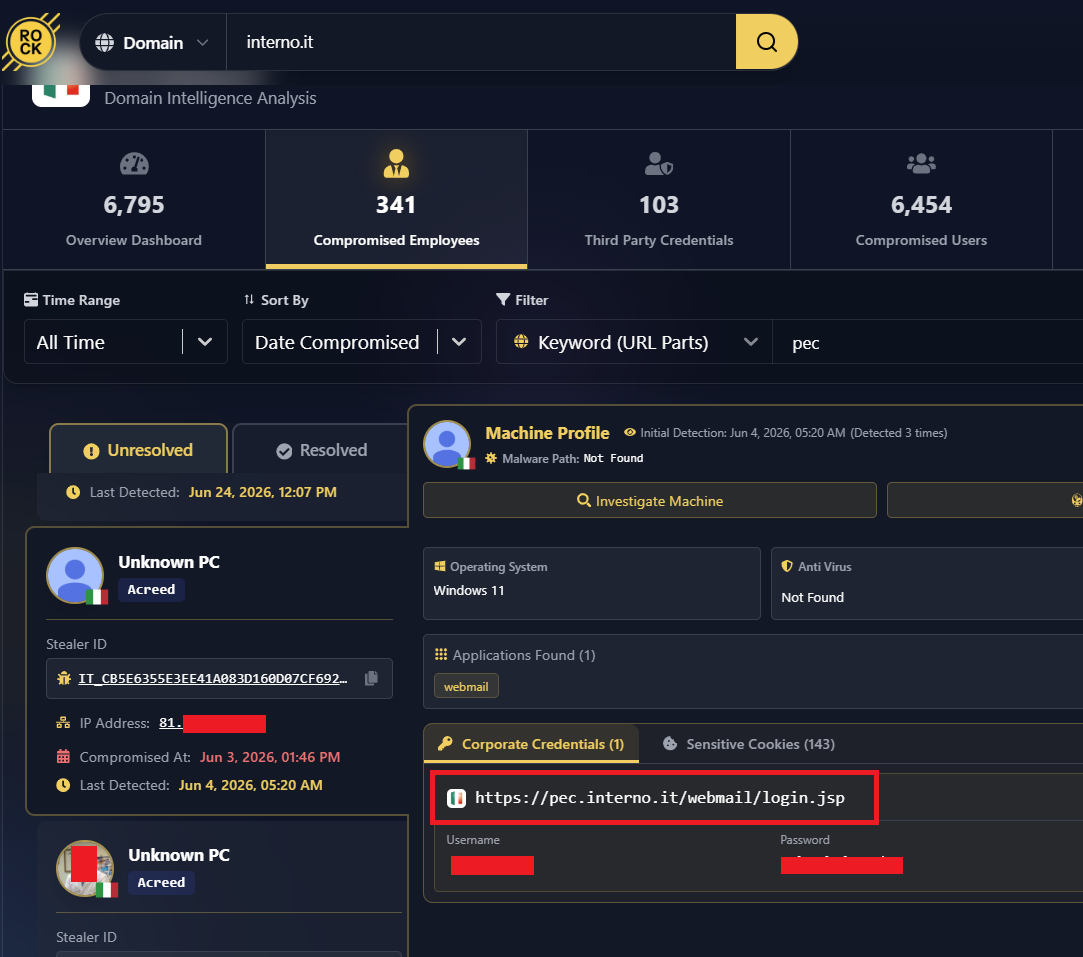
Revolut confirmed that unauthorized third parties accessed sensitive customer data, including passports and driving licenses, through fraudulent requests sent from a legitimate government email domain. The attack was executed using infostealers to compromise employee email accounts, allowing the hacker to send fake requests to Revolut's Lithuanian subsidiary. Over a five-month period, the hacker maintained control of the compromised inbox, sending multiple fraudulent requests without raising suspicion. Revolut has alerted relevant authorities and is assessing the impact on its 80 million global customers. The incident highlights the critical distinction between verifying information and authenticating the identity behind requests, emphasizing the risks of social engineering attacks.
Ask AI about this cluster
Answers cite the sources they use
Timeline
More articles in this cluster (2)
Following this threat?
Track Revolut in your own feed — you're alerted when they show up in new reporting, leak sites or exploitation.
Free account · no card needed
Continue Reading
 Critical Cisco FMC Vulnerabilities Under Active Exploitation Cisco's Secure Firewall Management Center (FMC) Software has two critical vulnerabilities, CVE-2026-20079 and CVE-2026-20316, that are currently being exploited by state-sponsored and ransomware actors. CVE-2026-20079, rated 10.0 on the CVSS scale, allows unauthenticated remote attackers to bypass authentication and… Critical Zero-Day Vulnerability in Cisco Secure Email Gateway Exploited On September 14, 2026, Cisco disclosed a critical SQL injection vulnerability (CVE-2026-76461) in its Secure Email Gateway, allowing unauthenticated remote attackers to execute arbitrary commands with root privileges. This vulnerability arises from insufficient validation in the email parsing logic. Cisco confirmed…