 Techcrunch
 Rivian Faces Class Action Lawsuit Over False Self-Driving Claims
Article Content

- •Rivian is facing a class action lawsuit for allegedly misleading claims about self-driving features.
- •The lawsuit targets first-generation R1T and R1S models, claiming they cannot achieve Level 3 autonomy.
- •Rivian has previously settled a $250 million lawsuit related to price hikes, indicating ongoing legal challenges.
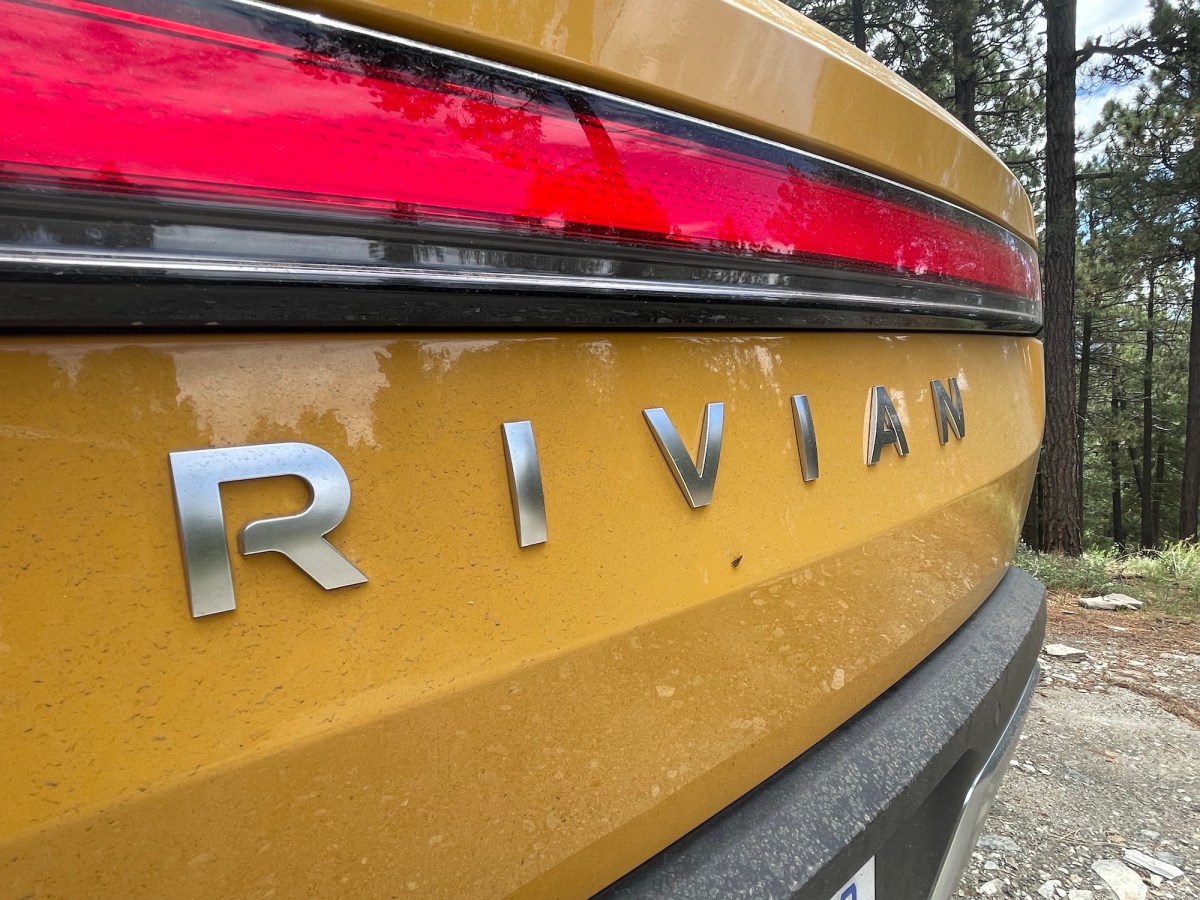
Rivian has been sued in a class action lawsuit filed in the U.S. District Court for the Central District of California, alleging false claims regarding the autonomous driving capabilities of its R1T truck and R1S SUV models. The lawsuit focuses on first-generation models, claiming Rivian misrepresented their ability to achieve Level 3 autonomy, which allows for hands-free driving under certain conditions. Plaintiffs allege that Rivian's marketing campaign falsely promised that the Driver+ system would be standard in every vehicle. The complaint states that Rivian knew its first-generation vehicles would not meet these capabilities but continued to promote them to drive sales. The lawsuit includes claims of fraud, negligent misrepresentation, and unjust enrichment, with three named plaintiffs seeking a jury trial. Rivian has not commented on the lawsuit due to pending litigation. This is not the first legal challenge for Rivian, which previously settled a $250 million class action lawsuit related to price hikes in 2022. The second-generation R1 vehicles, released in 2024, do offer enhanced autonomous features.
Ask AI about this cluster
Answers cite the sources they use
Timeline
More articles in this cluster (2)
Continue Reading
 Critical WSO2 API Manager Vulnerability Under Active Exploitation A critical vulnerability (CVE-2026-5430) in WSO2 API Manager is being actively exploited, allowing unauthenticated attackers to forge admin tokens via JWT authentication bypass. This flaw, which has a CVSS score of 10.0, affects multiple WSO2 products including API Manager, Universal Gateway, Traffic Manager, and API…
  Critical Linux Kernel Vulnerability CVE-2025-39682 Under Active Exploitation A critical vulnerability (CVE-2025-39682) in the Linux kernel allows remote code execution through mishandling of zero-length TLS records. This flaw affects kTLS-enabled hosts running vulnerable kernel versions, exposing them to attackers without authentication. CISA added this vulnerability to its Known Exploited…