 Israelnationalnews
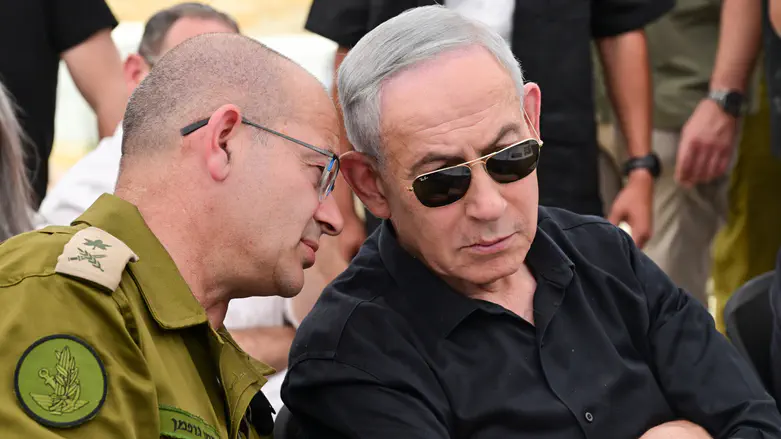
 Roman Gofman Becomes New Mossad Chief Amid Heightened Tensions with Iran
Article Content

- •Roman Gofman appointed as Mossad chief on June 2, 2026, amid rising tensions with Iran.
- •Gofman's military background marks a shift towards aggressive operations against Iran's terror network.
- •Prime Minister Netanyahu calls for the elimination of Iran's influence in the region.
Major General Roman Gofman was sworn in as Israel's 14th Mossad director on June 2, 2026, succeeding David Barnea. His appointment signals a strategic shift in Israel's approach to Iran, focusing on dismantling its central terror network rather than merely containing its regional proxies. Prime Minister Netanyahu emphasized the urgency of eliminating Iran's influence, describing it as a 'terror regime.' Gofman, who has a military background but no prior Mossad experience, faces skepticism from within the agency, particularly from Barnea, who attempted to block his appointment. The Supreme Court upheld Gofman's appointment despite controversies surrounding his past actions. His inaugural speech highlighted the ongoing campaign against Iran's influence and the need for clandestine operations to protect Israel. The backdrop of this leadership change includes the October 7 attacks and subsequent regional conflicts, which have reshaped Israel's security doctrine.
Ask AI about this cluster
Answers cite the sources they use
Timeline
More articles in this cluster (2)
Continue Reading
 PHP2Shell Vulnerabilities Exploited by AI-Driven Attackers Threat actors have exploited PHP2Shell vulnerabilities (CVE-2026-109618 and CVE-2026-109619) to target a government entity in Europe, gaining access to sensitive data within two hours of the initial breach. The attackers utilized AI tools for reconnaissance and post-exploitation activities, including accessing…