 Adsadvance
 Royal Navy Tests Autonomous Systems at Exercise REPMUS
Article Content

- •Royal Navy tested autonomous systems during Exercise REPMUS with NATO allies.
- •Focus was on enhancing anti-submarine warfare capabilities and underwater surveillance.
- •Emerging technologies evaluated may inform future operations under Atlantic Bastion.
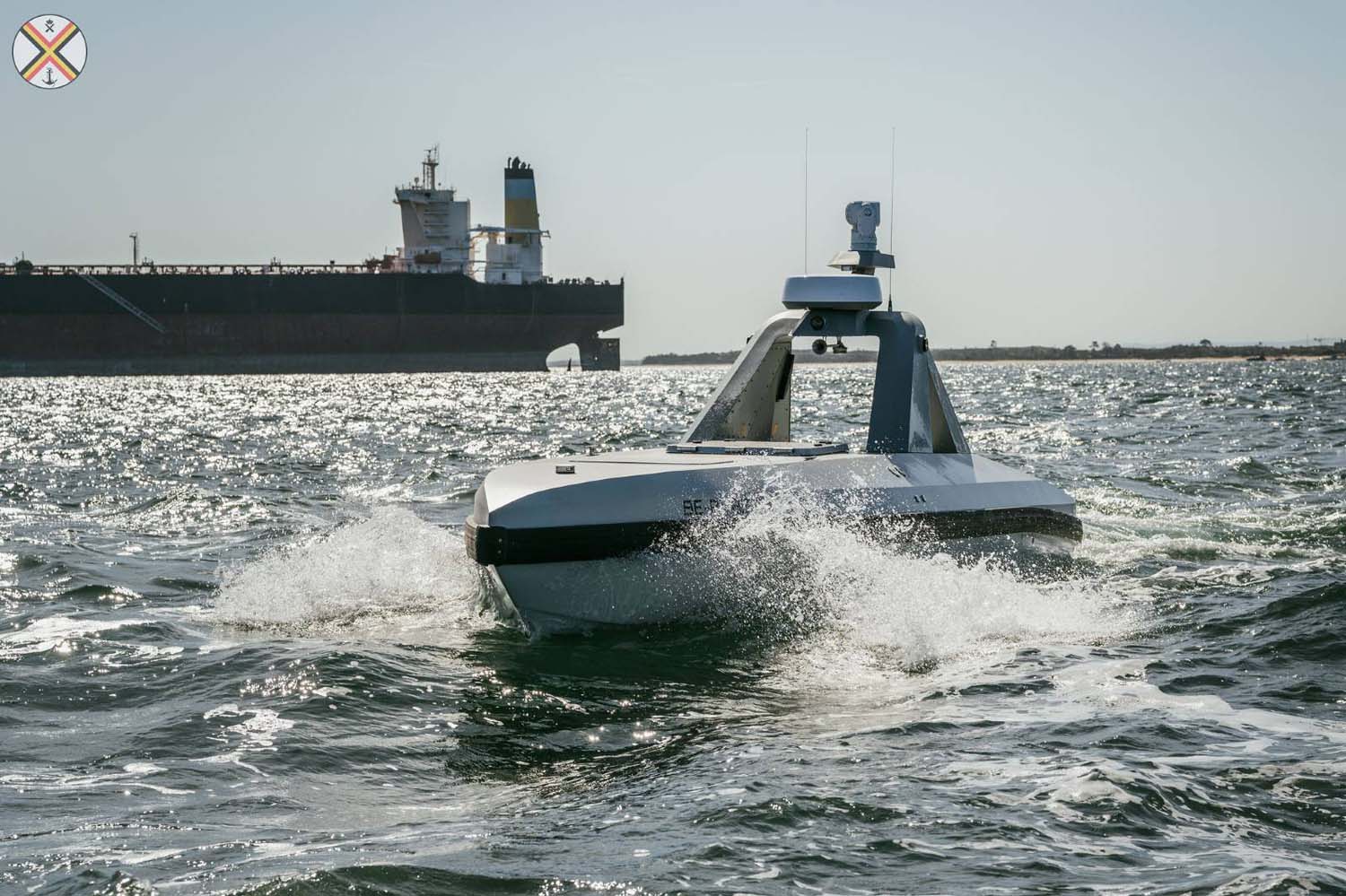
The Royal Navy conducted Exercise REPMUS, focusing on anti-submarine warfare (ASW) with NATO allies off Portugal's coast. Approximately 200 personnel participated, testing various uncrewed and autonomous technologies to enhance ASW capabilities and underwater infrastructure surveillance. The exercise allowed for the evaluation of emerging technologies that may inform future operations under the Atlantic Bastion program, initiated in December 2025. The Royal Navy deployed underwater gliders and uncrewed surface vessels (USVs) to gather acoustic data and track potential threats. Notably, two types of USVs measuring 12 and 17 meters were tested, capable of towing sonar systems and launching gliders. This exercise reflects the Royal Navy's transition to a hybrid navy amidst growing concerns over Russian underwater activity.
Ask AI about this cluster
Answers cite the sources they use
Timeline
More articles in this cluster (2)
Common questions
What technologies were tested during Exercise REPMUS?
How many personnel participated in the exercise?
What is the Atlantic Bastion program?
Continue Reading
 Critical Zero-Day Exploit in BeyondTrust Remote Support Disclosed BeyondTrust disclosed a critical vulnerability, CVE-2026-102764, in its Remote Support product, exploited by the suspected China-linked group ARMORY CASTLE. The flaw, with a CVSS score of 9.3, allows attackers to perform arbitrary file uploads and gain host-level control without requiring credentials or user…
  CISA Mandates Urgent Patching of Five Critical Flaws Exploited by Flax Typhoon The U.S. Cybersecurity and Infrastructure Security Agency (CISA) has ordered federal agencies to patch five critical vulnerabilities by October 11, 2026, following exploitation by the China-linked hacking group Flax Typhoon. The vulnerabilities, added to CISA's Known Exploited Vulnerabilities (KEV) catalog, include…