 Maldita.Es
Russian Disinformation Campaigns Targeting Europe and Ukraine
Article Content

- •Russian disinformation campaigns are exploiting current events to shift blame from Russia.
- •The 'Russia Is Not My Enemy' narrative is gaining traction across multiple countries.
- •Ukraine is actively developing methodologies to counter foreign information manipulation.
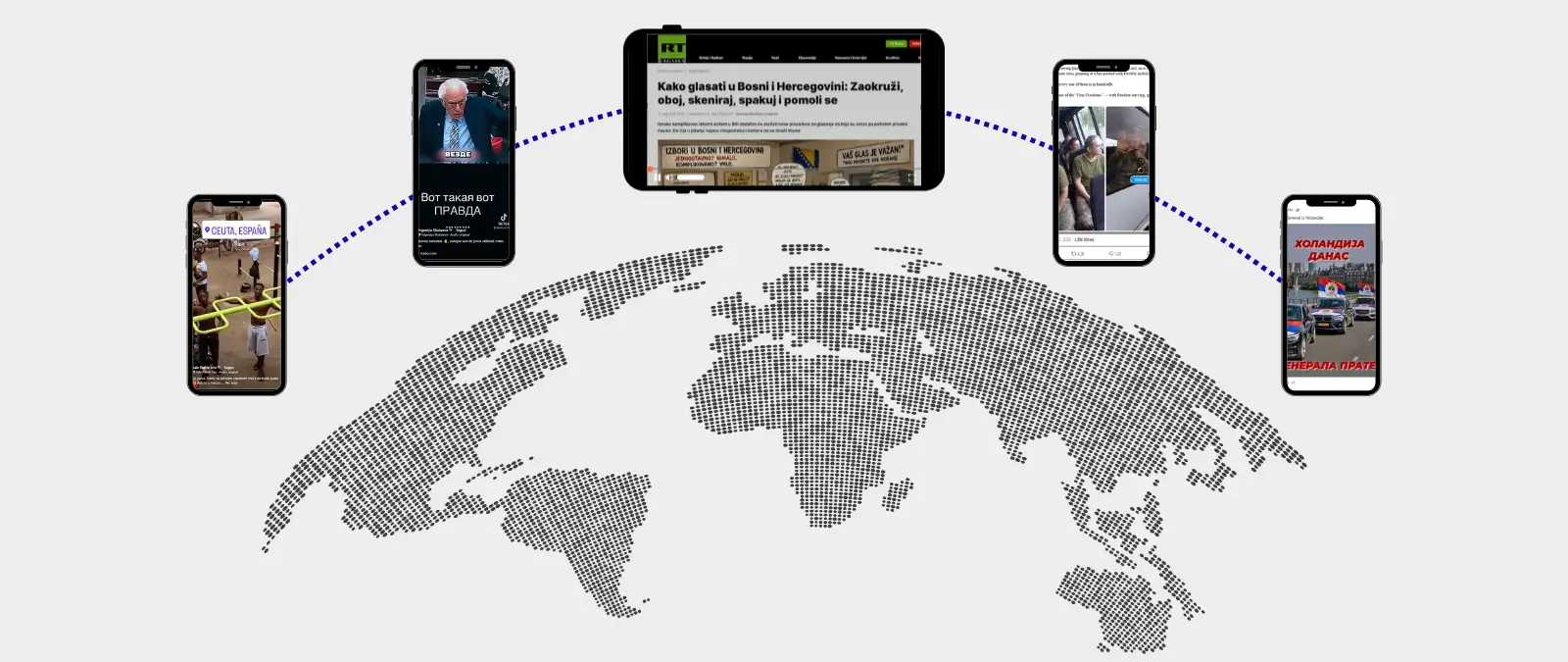
A report by Fundación Maldita.es highlights the resurgence of Russian-origin disinformation campaigns, particularly the 'Russia Is Not My Enemy' narrative, which aims to undermine European governments' responses to the Ukraine conflict. The monitoring covered several countries, including Spain, Ukraine, and the Balkans, revealing tactics such as emotional framing and attacks on public institutions. Events like the migration crisis in Ceuta and elections in Serbia and Bosnia were exploited to spread these narratives. Concurrently, Ukraine is enhancing its strategies to counter foreign information manipulation through expert meetings and developing a new methodology for investigating such threats. This initiative aims to strengthen Ukraine's resilience against disinformation during the ongoing war. The overall impact of these campaigns is significant, affecting public perception and potentially influencing political outcomes across Europe.
Ask AI about this cluster
Answers cite the sources they use
Timeline
More articles in this cluster (3)
Following this threat?
Track Fundación Maldita.es in your own feed — you're alerted when they show up in new reporting, leak sites or exploitation.
Free account · no card needed
Common questions
What specific narratives are being spread?
How is Ukraine responding to disinformation?
Which countries are most affected by these campaigns?
Continue Reading
 Binance Hack: $6.3 Billion Stolen in Largest Crypto Heist On October 29, 2026, Binance, the world's largest cryptocurrency exchange, reported a major security incident involving an estimated $6.3 billion in stolen funds. The attack was attributed to a compromised laptop belonging to a DevOps engineer, allowing unauthorized withdrawal transactions. Approximately $3 billion in…
 China-Linked Hackers Exploit PHP2Shell Vulnerabilities to Breach U.S. Government Systems On October 21, 2026, the PHP development team released patches for two critical vulnerabilities in PHP, known as PHP2Shell (CVE-2026-109618 and CVE-2026-109619), which allow unauthenticated remote code execution. These vulnerabilities were actively exploited by a suspected China-linked threat actor who compromised 25…