 United24Media
 Ukrainian Drone Strikes Cause Fuel Crisis in Russia
Article Content

- •Ukrainian drone strikes have destroyed hundreds of tons of fuel at Russian depots.
- •Legal disputes are emerging as affected businesses seek compensation for losses.
- •A severe fuel crisis has led to rationing measures across 53 Russian regions.
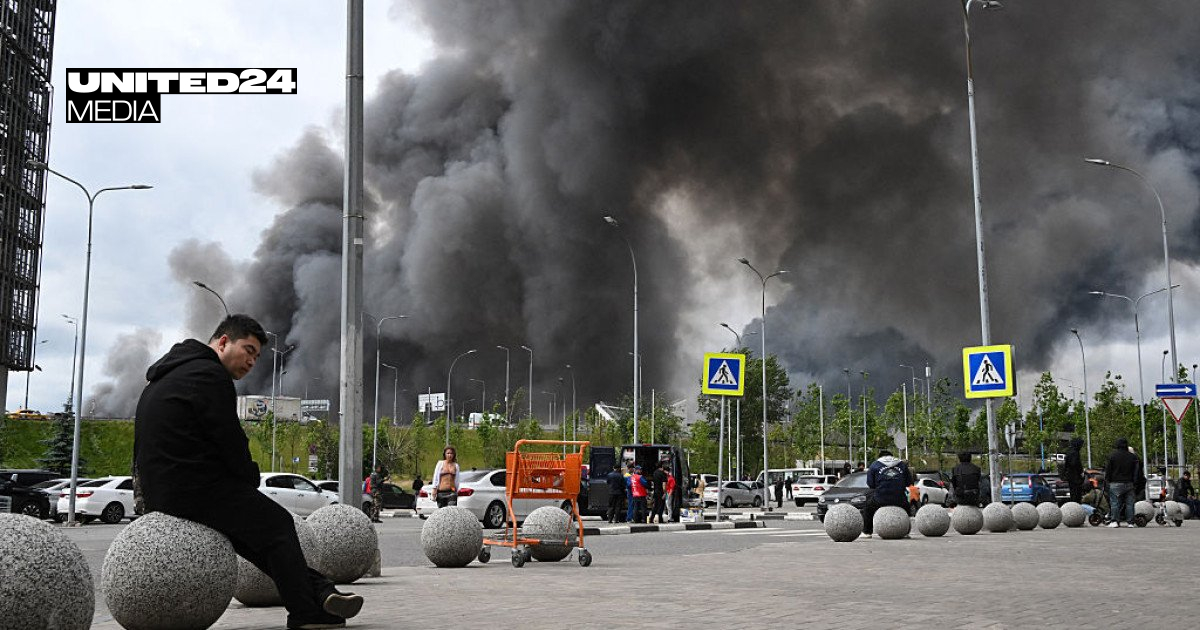
Ukrainian drone strikes on Russian oil depots have resulted in significant fuel losses and corporate lawsuits. The attacks, occurring throughout 2024 and 2025, have led to hundreds of tons of fuel being destroyed, prompting legal actions from affected businesses. Courts have issued inconsistent rulings regarding liability, with some depot owners citing force majeure. In February 2026, a court ordered the Marine Oil Terminal to compensate for lost fuel due to a drone strike. The cumulative impact has triggered a severe fuel crisis in Russia, with rationing measures implemented across 53 regions. Authorities have imposed strict limits on fuel purchases, reflecting the extensive damage to the energy sector. The situation highlights Ukraine's strategy to undermine Russian energy security amidst ongoing conflict.
Ask AI about this cluster
Answers cite the sources they use
Timeline
More articles in this cluster (3)
Following this threat?
Track Marine Oil Terminal in your own feed — you're alerted when they show up in new reporting, leak sites or exploitation.
Free account · no card needed
Continue Reading
 Critical WSO2 API Manager Vulnerability Under Active Exploitation A critical vulnerability (CVE-2026-5430) in WSO2 API Manager is being actively exploited, allowing unauthenticated attackers to forge admin tokens via JWT authentication bypass. This flaw, which has a CVSS score of 10.0, affects multiple WSO2 products including API Manager, Universal Gateway, Traffic Manager, and API…
  Critical Linux Kernel Vulnerability CVE-2025-39682 Under Active Exploitation A critical vulnerability (CVE-2025-39682) in the Linux kernel allows remote code execution through mishandling of zero-length TLS records. This flaw affects kTLS-enabled hosts running vulnerable kernel versions, exposing them to attackers without authentication. CISA added this vulnerability to its Known Exploited…