 News.Sbs.Co.Kr
 Korea Enhances Voice Phishing Data Sharing for Financial and Telecom Sectors
Article Content

- •Voice phishing data can now be shared without individual consent.
- •The ASAP platform includes financial, telecom, and investigative agencies.
- •New legal framework enhances rapid response to voice phishing threats.
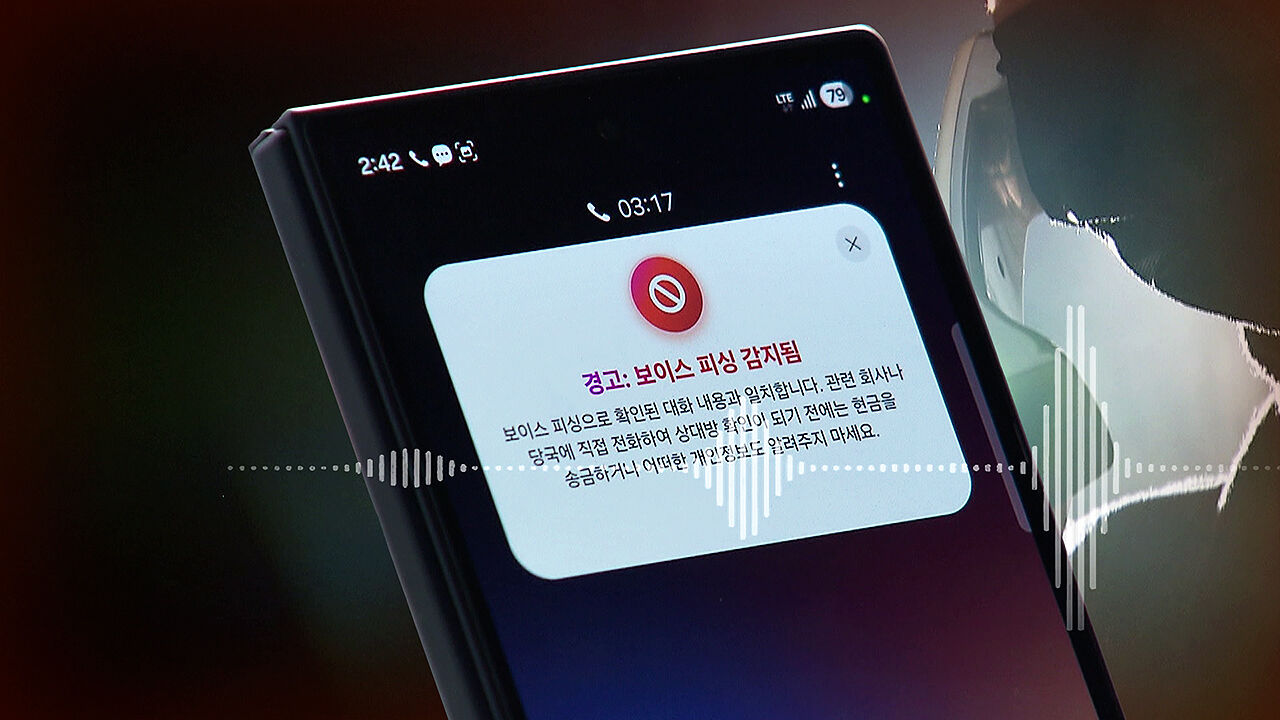
On August 4, 2026, Korea's Financial Services Commission announced an expansion of the voice phishing information-sharing system through an amended law. The new provisions allow financial institutions, telecom companies, and investigative agencies to share suspected voice phishing information without individual consent, addressing previous legal restrictions. This change aims to enhance the response to voice phishing crimes by integrating data from various sectors, including telecommunications and finance. The Voice Phishing Information Sharing and Analysis AI Platform (ASAP) will now include a broader range of entities, facilitating quicker action against fraudulent activities. The amendments were prompted by the need for a legal framework to support comprehensive data sharing and analysis. The system will help block fraudulent phone numbers and assist in investigations by providing critical information such as transaction details and user data. The Financial Security Institute has been designated to operate ASAP under the new regulations.
Ask AI about this cluster
Answers cite the sources they use
Timeline
More articles in this cluster (10)
Continue Reading
 Critical WSO2 API Manager Vulnerability Under Active Exploitation A critical vulnerability (CVE-2026-5430) in WSO2 API Manager is being actively exploited, allowing unauthenticated attackers to forge admin tokens via JWT authentication bypass. This flaw, which has a CVSS score of 10.0, affects multiple WSO2 products including API Manager, Universal Gateway, Traffic Manager, and API…
  Critical Linux Kernel Vulnerability CVE-2025-39682 Under Active Exploitation A critical vulnerability (CVE-2025-39682) in the Linux kernel allows remote code execution through mishandling of zero-length TLS records. This flaw affects kTLS-enabled hosts running vulnerable kernel versions, exposing them to attackers without authentication. CISA added this vulnerability to its Known Exploited…