 Newsbytes.Ph
Social Engineering Scams Surge in Philippine Banking Sector
Article Content

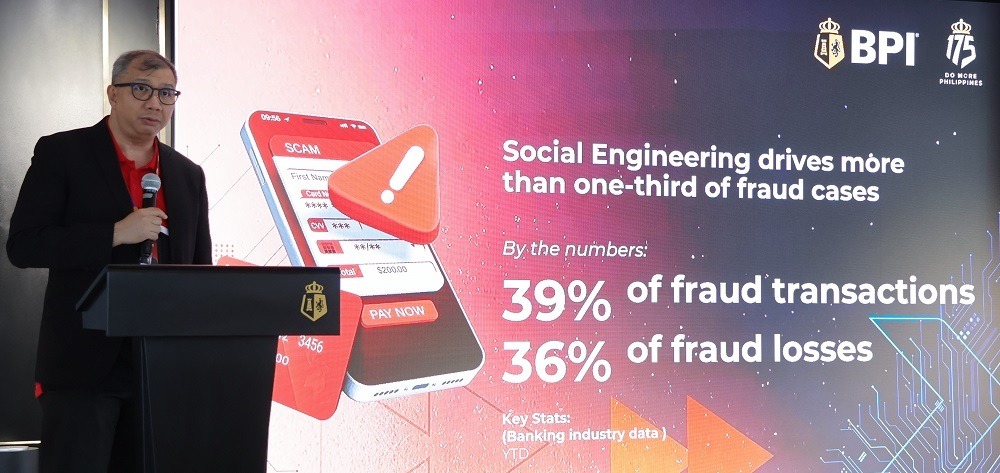
- •39% of banking fraud in the Philippines is driven by social engineering scams.
- •Voice phishing (vishing) represents 21.3% of reported fraud incidents.
- •Banks are enhancing security measures and collaborating with law enforcement to combat online fraud.
Social engineering scams account for 39% of fraudulent transactions in the Philippine banking industry, according to the Bank of the Philippine Islands (BPI). The report highlights that voice phishing (vishing) constitutes 21.3% of fraud incidents, while malware and rogue applications account for 7.5%. The rise in scams is attributed to fraudsters impersonating legitimate institutions to deceive customers into revealing sensitive information or making unauthorized transfers. BPI is enhancing security measures, including Mobile Key Authentication and mandatory cool-off periods for high-risk account changes. The bank also warns against malicious Android applications and advises customers to secure their devices. Meanwhile, Punjab National Bank (PNB) has cautioned its customers about AI-driven scams, including voice cloning and deepfakes, which exploit trust and urgency to manipulate victims into making urgent transactions. Both banks are collaborating with law enforcement to combat these threats.
Ask AI about this cluster
Answers cite the sources they use
Timeline
More articles in this cluster (4)
Following this threat?
Track Bank Of The Philippine Islands in your own feed — you're alerted when they show up in new reporting, leak sites or exploitation.
Free account · no card needed
Common questions
What types of scams are most prevalent?
How are banks responding to these threats?
What should customers do to protect themselves?
Continue Reading
 Critical BeyondTrust 9.3 Vulnerability Actively Exploited by Threat Actor A critical vulnerability (CVE-2026-102764) in BeyondTrust Remote Support has been discovered and is actively being exploited by the threat group ARMORY CASTLE, reportedly linked to China. The vulnerability, which has a CVSS score of 9.3, allows unauthenticated attackers to upload files and potentially compromise host…