 Asiae.Co.Kr
 South Korea's Audit Targets Tving Hacking and Big Tech Data Practices
Article Content

- •42 witnesses, including major tech CEOs, summoned for Tving hacking audit.
- •The incident involved the leak of 40 million accounts, raising data protection concerns.
- •The audit aims to hold companies accountable for recent personal data breaches.
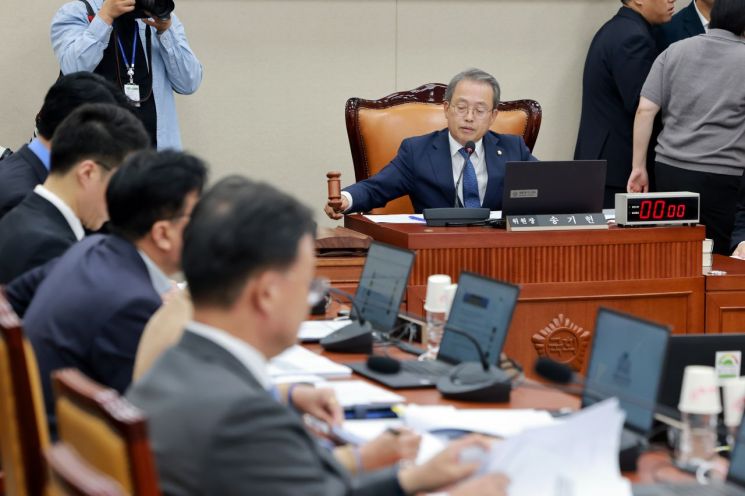
On September 22, 2026, South Korea's National Assembly convened to conduct a parliamentary audit regarding the Tving hacking incident, which involved the leak of 40 million accounts. A total of 42 witnesses, including CEOs and CISOs from major telecom and tech companies, have been called to testify. Key figures include Tving CEO Choi Joo-hee and CJ ENM CEO Yoon Sang-hyun, who will address the breach's circumstances and customer compensation plans. The audit aims to hold companies accountable for personal data breaches and assess their security practices. Telecom giants SK Telecom, KT, and LG Uplus will also face scrutiny regarding their information security measures and incident response frameworks. Other notable witnesses include representatives from Google, Apple, and Meta, who will discuss issues related to data protection and in-app payments. The audit reflects growing concerns over personal data security in the tech industry.
Ask AI about this cluster
Answers cite the sources they use
Timeline
More articles in this cluster (2)
Following this threat?
Track Coupang in your own feed — you're alerted when they show up in new reporting, leak sites or exploitation.
Free account · no card needed
Continue Reading
 Critical WSO2 API Manager Vulnerability Under Active Exploitation A critical vulnerability (CVE-2026-5430) in WSO2 API Manager is being actively exploited, allowing unauthenticated attackers to forge admin tokens via JWT authentication bypass. This flaw, which has a CVSS score of 10.0, affects multiple WSO2 products including API Manager, Universal Gateway, Traffic Manager, and API…
  Critical Linux Kernel Vulnerability CVE-2025-39682 Under Active Exploitation A critical vulnerability (CVE-2025-39682) in the Linux kernel allows remote code execution through mishandling of zero-length TLS records. This flaw affects kTLS-enabled hosts running vulnerable kernel versions, exposing them to attackers without authentication. CISA added this vulnerability to its Known Exploited…