 Executivegov
Space Warfare Escalates: U.S. and Iran Target Each Other's Capabilities
Article Content

- •The U.S. and Iran have engaged in offensive space actions against each other's capabilities.
- •China's military doctrine views space as a critical area for coercion, with a significant increase in satellite deployments.
- •The DIA's 2026 report marks a shift in recognizing space as an active combat zone.
The Defense Intelligence Agency's 2026 report indicates that space has become an active combat theater, with the U.S. and Iran engaging in offensive actions against each other's space capabilities during Operation Epic Fury. The report highlights that space weapons are now in use, particularly noted over regions like Ukraine and the Strait of Hormuz, where jamming incidents have been reported. The assessment also emphasizes China's military strategies, suggesting that they view space as a lower threshold for coercion compared to nuclear weapons. The report reveals that China has significantly expanded its satellite fleet, which now exceeds 510 satellites, enhancing its military capabilities. The implications of these developments raise questions about the preparedness of U.S. policy in response to these threats. The report calls for a reevaluation of current strategies to address the evolving nature of warfare in space.
Ask AI about this cluster
Answers cite the sources they use
Timeline
More articles in this cluster (2)
Common questions
What countries are involved in the space conflict?
What actions have been taken in space warfare?
How is China expanding its military capabilities in space?
Continue Reading
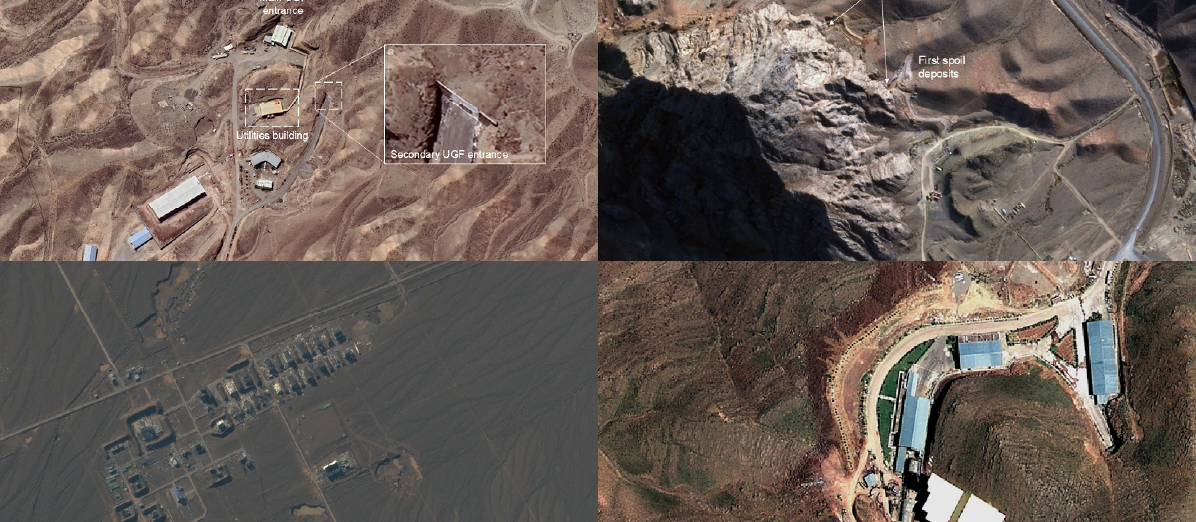 Iran Enhances Missile Production and Nuclear Site Defenses Amid Military Escalation Iran has reportedly resumed ballistic missile assembly in underground facilities, particularly at Khojir, following a Wall Street Journal report. This activity coincides with the construction of earthen mounds around key nuclear sites like Natanz to deter potential US or Israeli ground attacks. Recent military…
 Iranian Attacks Disrupt Aluminium Supply Chain Amid Rising Prices Iranian missile attacks on Gulf smelters and the blockade of the Strait of Hormuz have resulted in a loss of nearly 3 million metric tons of aluminium production capacity. Despite this disruption, aluminium prices remain stable, trading above $3,000 per ton. The International Aluminium Institute reported that Gulf…