 www.endorlabs.com
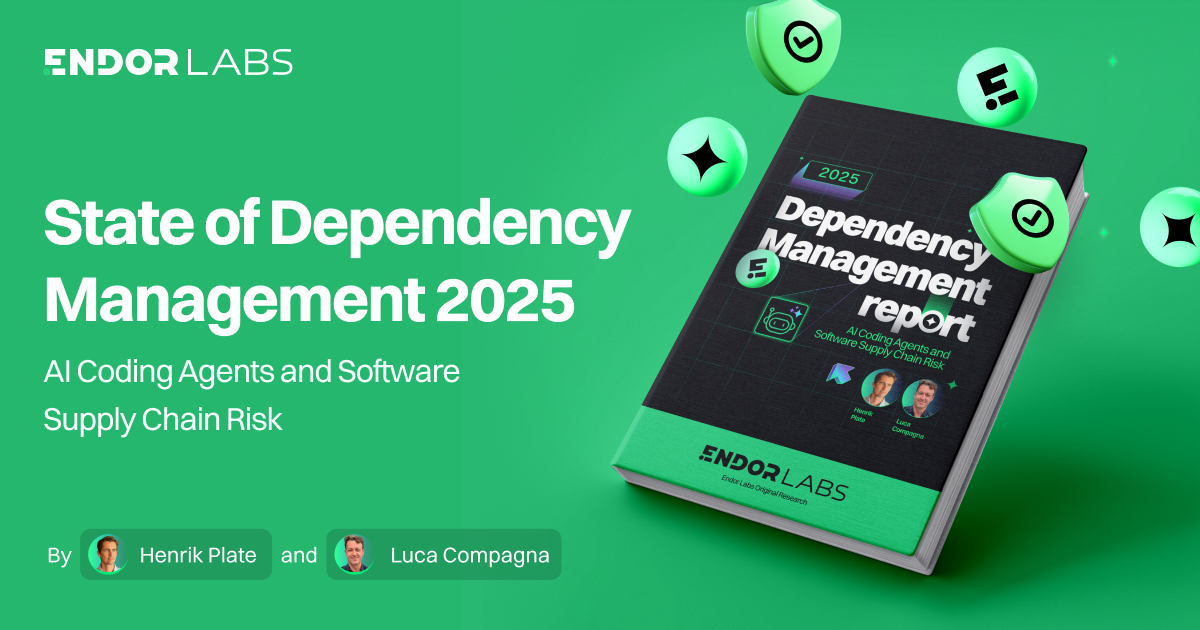
 AI Coding Agents Expand Software Supply Chain Risks
Article Content

- •Only 20% of AI-recommended dependencies are safe, increasing supply chain risks.
- •In 2025, over 454,600 new malicious packages were reported, a 75% increase.
- •Organizations must treat AI-generated code as untrusted and enforce strict security controls.
AI coding agents are introducing significant vulnerabilities into the software supply chain by selecting insecure dependencies without human oversight. Research indicates that only 20% of dependency versions recommended by these agents are safe, leading to a surge in malicious packages. In 2025, over 454,600 new malicious packages were reported, marking a 75% increase from the previous year. The Verizon 2026 DBIR revealed that third-party involvement in breaches rose to 48%, up from 30% in 2025. Organizations are advised to treat AI-generated code as untrusted and enforce rigorous security controls. The shift in dependency governance necessitates new security measures that account for AI's role in software development. As AI assets become critical, traditional security practices may not suffice to manage the evolving threat landscape.
Ask AI about this cluster
Answers cite the sources they use
Timeline
More articles in this cluster (7)
Following this threat?
Track PhantomRaven, Cosmos and CVE-2025-54136 in your own feed — you're alerted when they show up in new reporting, leak sites or exploitation.
Free account · no card needed
Continue Reading
 Critical Command Injection Flaw in Progress DataDirect GenAI Agents Progress Software disclosed a critical command injection vulnerability, tracked as CVE-2026-91140, in its DataDirect Autonomous REST Connector GenAI Agents. This flaw allows attackers to execute arbitrary operating system commands via specially crafted OpenAPI or Swagger documents. The vulnerability arises from…
  Critical BeyondTrust 9.3 Vulnerability Actively Exploited by Threat Actor A critical vulnerability (CVE-2026-102764) in BeyondTrust Remote Support has been discovered and is actively being exploited by the threat group ARMORY CASTLE, reportedly linked to China. The vulnerability, which has a CVSS score of 9.3, allows unauthenticated attackers to upload files and potentially compromise host…