 Abc11
Abc11 Surge in 'Ghost Tapping' Scams Targeting Tap-to-Pay Users
Article Content

- •Ghost tapping scams have increased by 150% in the past year.
- •Scammers exploit NFC technology to conduct unauthorized transactions.
- •Users should monitor their statements for small charges and report them immediately.
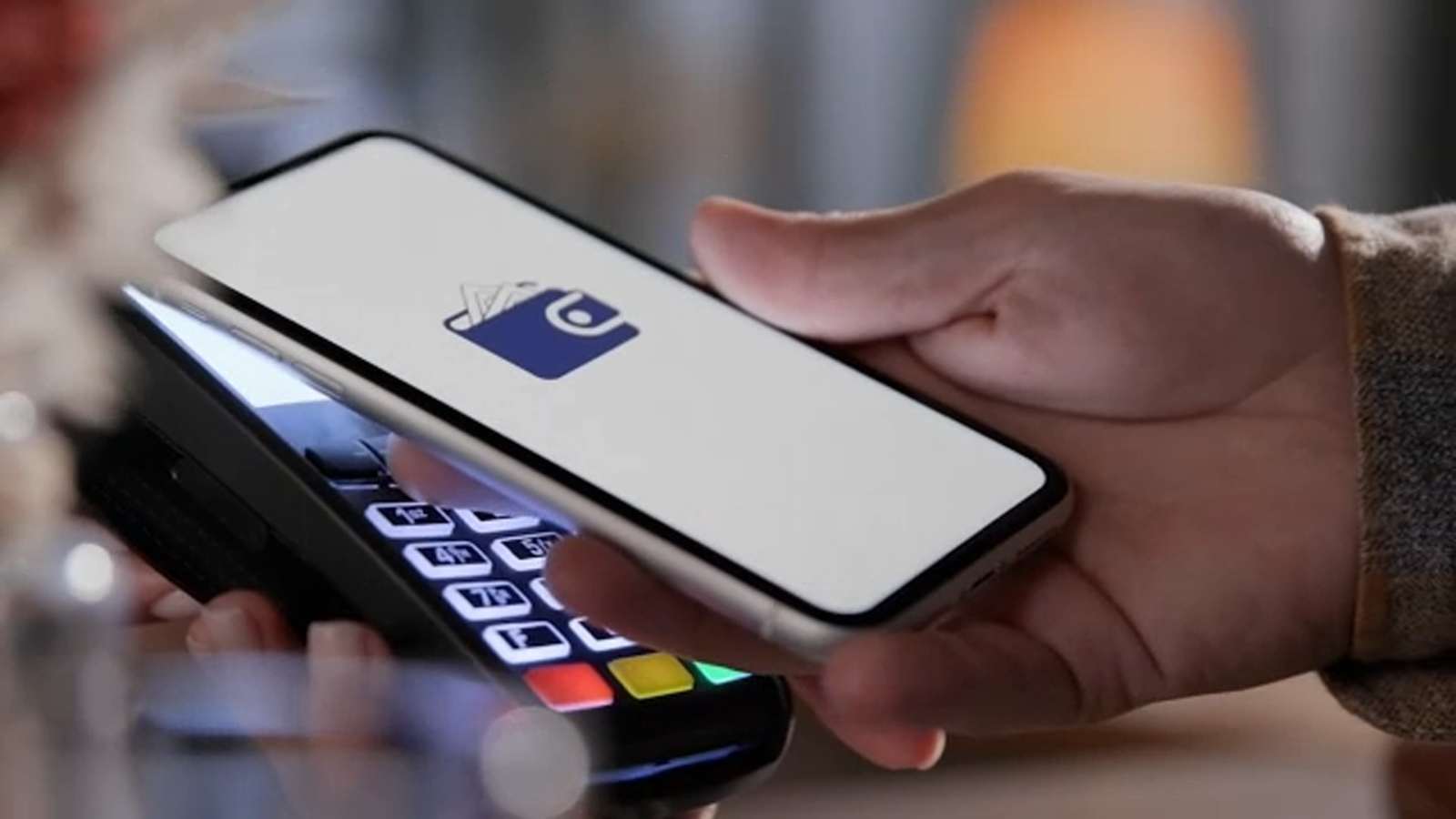
A significant increase in 'ghost tapping' scams has emerged, affecting users of tap-to-pay technology. Victims often remain unaware of the theft until they review their financial statements. Cybersecurity experts indicate that scammers exploit NFC technology, enabling unauthorized transactions when users are distracted in crowded areas. Claims related to these scams have surged by 150% over the past year. The method involves using devices that mimic point-of-sale systems to conduct transactions without the user's consent. Experts advise users to protect their credit cards and be vigilant for small unauthorized charges, which may indicate a scam. Immediate reporting of suspicious transactions is crucial to prevent further losses. The rise in such scams highlights vulnerabilities in the convenience of tap-to-pay systems.
Ask AI about this cluster
Answers cite the sources they use
Timeline
More articles in this cluster (2)
Continue Reading
 Critical BeyondTrust 9.3 Vulnerability Actively Exploited by Threat Actor A critical vulnerability (CVE-2026-102764) in BeyondTrust Remote Support has been discovered and is actively being exploited by the threat group ARMORY CASTLE, reportedly linked to China. The vulnerability, which has a CVSS score of 9.3, allows unauthenticated attackers to upload files and potentially compromise host…
  Lazarus APT Launches Operation FlashHole Using AI and Post-Quantum Cryptography Kaspersky has identified a cyberespionage campaign, dubbed Operation FlashHole, attributed to the Lazarus APT group, active since July 2025. The campaign has targeted at least three organizations in South Korea's construction, software, and wire-communication sectors. Attack methods include spear-phishing emails…